


Featured Products


 Grid
Grid List
List


 Low Stock - order now or contact us to reserve

Low Stock - order now or contact us to reserve

Low Stock - order now or contact us to reserve



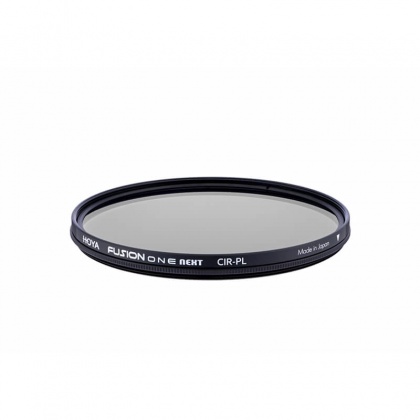


While stocks last - One only

While stocks last - One only

Low Stock - order now or contact us to reserve
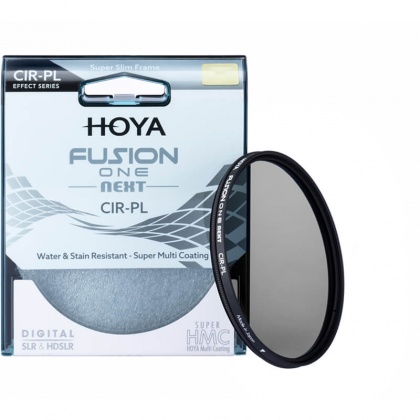
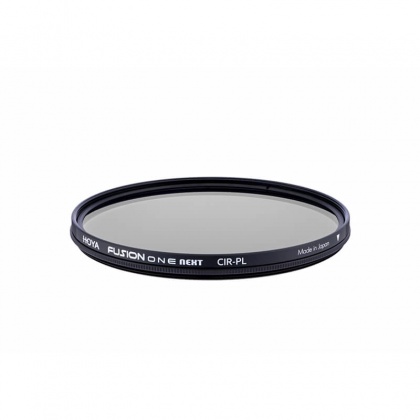


While stocks last - Two Only

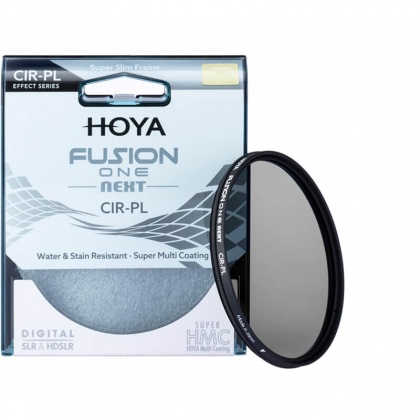
In Stock

In Stock


In Stock


Low Stock - order now or contact us to reserve


Good Stock


Low Stock - order now or contact us to reserve

Good Stock


In Stock


Low Stock - order now or contact us to reserve


Low Stock - order now or contact us to reserve


Low Stock - order now or contact us to reserve

In Stock


In Stock


Low Stock - order now or contact us to reserve


Low Stock - order now or contact us to reserve


Good Stock

Low Stock - order now or contact us to reserve


Good Stock


In Stock


Low Stock - order now or contact us to reserve


Good Stock


In Stock


Low Stock - order now or contact us to reserve


In Stock


While stocks last - Two Only
What does a polarising filter do?
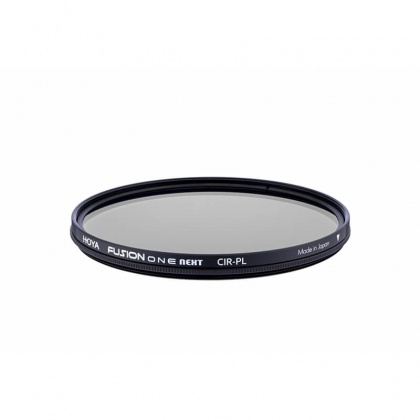
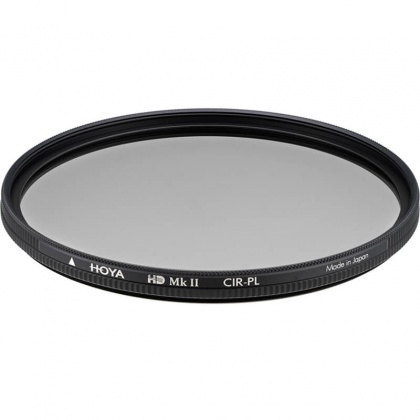
A polarising filter manages the way polarised light enters your camera. In practice, this means two very visible things. First, it cuts reflections from non-metallic surfaces such as glass and water, which allows you to photograph through windows or shoot cleaner reflections in lakes and rivers. Second, it deepens and enriches the colour of blue skies, making the clouds stand out far more clearly and giving landscape images a punchy, well-exposed quality that's very hard to achieve convincingly in editing.
Polarising filters work by rotating, so you can dial in the amount of effect you want by turning the outer ring while looking through the viewfinder or at the live view screen. Most of the polarising filters we stock are circular polarising filters, which are designed for use with autofocus cameras. A circular polariser does not affect the autofocus system or TTL light metering, so it fits right into your existing shooting workflow. One thing to be aware of is that a polariser typically reduces the light entering the lens by around two stops, so you may need to adjust your exposure accordingly.
When should I use a polarising filter in photography?
A polarising filter comes into its own outdoors, particularly for landscape and travel photography. It's the go-to filter for shooting bright blue skies, where it creates the kind of deep, dramatic sky colour that transforms a flat snapshot into something that looks considered and professional. It's also extremely useful any time you're dealing with reflected light, whether that's shooting through shop windows, photographing a lake or river, or removing the glare from rocks and leaves. Some photographers also find it useful for portrait work outdoors, where it can reduce the shine on skin and clothing in bright sunlight.
To get the best from a polarising filter, rotate it slowly and watch the effect change in real time through the viewfinder or screen. The effect is strongest when you're shooting at roughly 90 degrees to the direction of the sun, so it works particularly well in mid-morning or late afternoon light. It's worth looking out for filters with slim or super-slim aluminium frames, particularly if you shoot with wide-angle lenses, as these help to avoid vignetting at the corners of your image. Some higher-specification circular polarisers also incorporate UV protection as well as multi-coatings to minimise flare and ghosting, which is a useful bonus.