Astronomy Highlights of 2026: The Ultimate Stargazing Guide (With the Right Equipment)
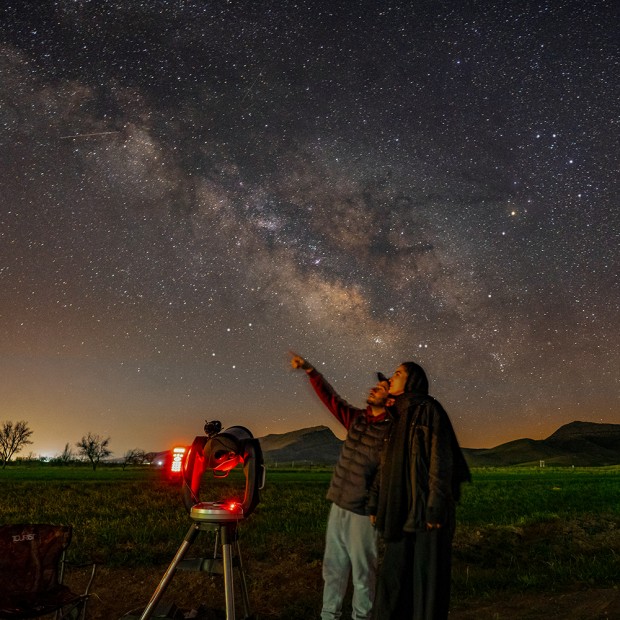
From rare planet alignments to dazzling meteor showers and powerful auroras, 2026 is set to be an exceptional year for stargazing in the UK. Whether you are just getting started or upgrading your setup, having the right astronomy equipment will transform these celestial events into unforgettable experiences.
At Castle Cameras, we stock a wide range of Celestron telescopes, binoculars, and solar-viewing accessories, trusted by astronomers worldwide. Below, we explore the most exciting night-sky events of 2026—and the best Celestron products to view them.
Planet Alignments in 2026 (Planet Parades)
Planet parades occur when multiple planets are visible at the same time, creating spectacular views shortly after sunset or late in the evening.
February Planet Alignment – 28 February 2026
Six planets will line up across the sky:
-
Visible to the naked eye: Jupiter, Saturn, Venus, Mercury
-
Best viewed with optics: Uranus and Neptune
Recommended Equipment
-
Celestron AstroMaster 130EQ Telescope
Ideal for beginners wanting clear planetary views with easy manual tracking. -
Celestron NexStar 6SE Computerised Telescope
Perfect for locating and tracking multiple planets automatically using GoTo technology. -
Celestron SkyMaster 15x70 Binoculars
Excellent for wide-field views of planet groupings and brighter deep-sky objects.
Supermoons of 2026: Bigger and Brighter Full Moons

Supermoons occur when the Moon is closest to Earth, making it appear larger and brighter—especially striking near the horizon.
UK Supermoon Dates
-
3 January – Wolf Moon (with Jupiter)
-
25 November – Beaver / Frost Moon
-
23 December – Cold Moon (with Jupiter and Saturn)
Recommended Equipment
-
Celestron StarSense Explorer DX 130
Ideal for lunar observing with smartphone-assisted navigation. -
Celestron Regal ED Spotting Scope
A versatile option for moon viewing and daytime wildlife use.
Meteor Showers: No Telescope Required

Meteor showers are best enjoyed with the naked eye, but preparation makes all the difference.
Key Meteor Showers in 2026
-
Quadrantids – 3–4 January (up to 120 meteors/hour)
-
Perseids – Peak around 13 August (50–100 meteors/hour)
Essential Accessories
-
Celestron SkyMaster Giant Binoculars
Useful for scanning star fields before and after meteor activity. -
Celestron Night Vision Red LED Torch
Preserves night vision while reading star charts.
Venus and Jupiter Close Conjunction – 8–9 June 2026
Venus and Jupiter will appear extremely close together in the evening sky, with Mercury nearby.
Best Viewing Options
-
Celestron AstroMaster 130EQ Reflector
Crisp views of bright planets with minimal setup. -
Celestron SkyMaster Pro ED 7x50mm Porro Binoculars
Lightweight and ideal for beginners and family stargazing.
Total Solar Eclipse – 12 August 2026 (Travel Required)

A total solar eclipse will be visible from parts of Europe, including Portugal and northern Spain.
Solar safety is essential!
Essential Solar Viewing Gear
-
Celestron EclipSmart Solar Eclipse Glasses
-
Celestron EclipSmart Solar Filter (Telescope-Specific)
These products meet international safety standards and are critical for protecting your eyesight.
Lunar Eclipses in 2026

-
3 March: Total lunar eclipse (not visible in the UK)
-
28 August: Partial lunar eclipse visible in the UK
Lunar eclipses are completely safe to view without eye protection.
Recommended Equipment
-
Celestron StarSense Explorer LT 127AZ
Excellent for tracking the Moon’s surface detail during eclipses.
Northern Lights Expected to Be Stronger in 2026

Increased solar activity means enhanced aurora displays, even at lower latitudes.
Best Time to Watch
-
Around the Spring Equinox (20 March)
Ideal Equipment
-
Celestron TrailSeeker ED Binoculars
Bright, wide-field optics perfect for aurora viewing. -
Celestron Tripods & Mounts
Improve stability for long viewing sessions.
-
-
Posted by Graham Fry
29th January 2026