Best Full Frame Cameras in 2027: Our Expert Buying Guide
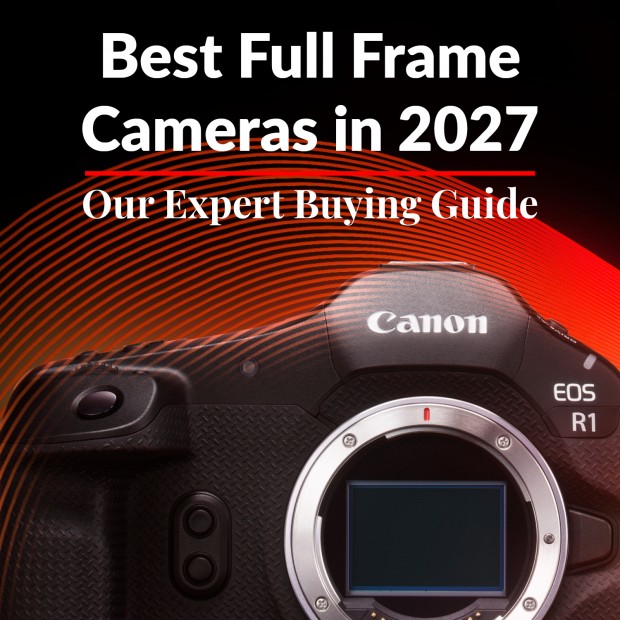
Thinking of going full frame? Whether you’re ready to take your photography more seriously, need dependable kit for professional work, or just want one camera that can handle a bit of everything, full-frame caneras offer an incredible blend of image quality, low-light performance, and creative control. The tricky part isn't finding a great camera—it's choosing the one that suits your photography rather than just buying the biggest number on the spec sheet.
Canon, Nikon, and Sony offer a huge variety of options, from approachable entry points into full-frame shooting to absolute flagship powerhouses built for demanding commercial jobs. To make things easier, we've grouped our top picks by who they’re best built for, broken down what full frame actually means in practice, and included a quick-reference comparison table.
These are our honest editorial recommendations by use case, not a rigid league table. The best camera for a fast-paced wedding shooter might be total overkill for family holidays, just as a landscape photographer will care far more about high-res sensor detail than blazing-fast burst rates. Your lenses, your budget, and the subjects you love shooting matter just as much as the body in your hands.
At a glance: our top full frame cameras
Category
Cameras to consider
Why they belong on the shortlist
Accessible routes into full-frame image quality.
Canon EOS R1; Canon EOS R5 Mark II; Nikon Z 8; Nikon Z 9; Sony Alpha 7R VI; Sony Alpha 9 III
Specialist performance for demanding stills, speed, resolution or hybrid work.
Versatile cameras for photographers who do a bit of everything.
Full-frame camera comparison table
Think of specs as a brilliant starting point rather than the whole story. Burst rates, video recording limits, and stabilisation performance can change depending on your firmware, card speed, and custom settings. As always, give us a shout or pop into store if you want to check exact details before committing!
Camera
Best for
Resolution / stabilisation
Standout strengths
Beginner
24.2MP; no IBIS
Compact full-frame body, strong autofocus, capable 4K video.
Beginner
24.5MP; up to 7.5-stop VR
Modern subject detection, stabilisation and strong value.
Beginner/value
24.2MP; 5-axis IBIS
Proven hybrid camera, dual card slots; older generation.
Pro speed
24.2MP stacked; 5-axis IBIS
Flagship for sport, news, wildlife and high-pressure work.
Pro hybrid
45MP; 5-axis IBIS
High resolution, up to 30fps, 8K RAW video.
Pro hybrid
45.7MP stacked; in-body VR
High resolution and flagship-level speed in a smaller body than Z9.
Pro flagship
45.7MP stacked; in-body VR
Integrated vertical grip, speed and high-end video.
Pro resolution
66.8MP; 5-axis IBIS
Detail, cropping flexibility and large-print potential.
Pro speed
24.6MP global shutter; 5-axis IBIS
Global shutter and very high-speed action shooting.
All-rounder
32.5MP; in-body IS
Resolution, speed, autofocus and 7K RAW video.
All-rounder
24.5MP partially stacked; up to 8 stops
6K/60p internal RAW, 4K/120p and responsive AF.
All-rounder
33MP; 5-axis IBIS
Flexible hybrid option for everyday and professional projects.
What is a full-frame camera?

A full-frame camera features a digital sensor measuring approximately 36 × 24mm—the exact same physical size as a single frame of traditional 35mm film. That’s noticeably larger than the APS-C sensors found in standard enthusiast bodies, and significantly larger than the Micro Four Thirds sensors used in compact mirrorless systems.
Why does that physical size matter? A larger sensor gives you distinct optical advantages: more breathing room in low-light environments, easier control over shallow depth of field, and exceptional dynamic range. But sensor size isn't a magic button labelled "better photos." Lighting, composition, glass quality, and your own photographic decisions matter infinitely more. A brilliant shot captured on an APS-C camera is still a masterpiece—and a full-frame sensor won't magically convince a restless dog to sit still!
Every camera in this guide is a full-frame mirrorless model. Instead of a mechanical mirror bouncing light up to an optical viewfinder, (as you would find in a traditional DSLR) these systems feed a live feed straight to an electronic viewfinder (EVF) or rear screen. That simple design shift opens the door to live exposure previews, insanely smart AI subject tracking, and much sleeker, lighter bodies.
The types of full-frame cameraEntry-level and enthusiast full frame
These cameras are designed to make full-frame performance genuinely accessible without demanding a commercial budget or intimidating pro controls. They are the natural next step for photographers moving up from smartphones, compacts, or crop-sensor bodies. You get stellar image quality and brilliant autofocus, though you may find slightly fewer custom dials or simpler dual-slot setups than flagship bodies.
Professional hybrid cameras
Built for creators who take both stills and video equally seriously, hybrid cameras balance high-resolution output with blistering autofocus, robust weather-sealing, and high-end cinema codecs. Bodies like the Canon EOS R5 Mark II or Nikon Z 8 can glide seamlessly from studio portraits to fast-moving action and video production without skipping a beat.
Speed-focused flagships
When you're shooting elite sports, fast wildlife, or breaking news, acquisition speed, rapid sensor readout, buffer depth, and rugged handling matter more than megapixels. Cameras like the Canon EOS R1 and Sony Alpha 9 III are engineered explicitly to freeze decisive moments in fractions of a second.
High-resolution cameras
If your work lives or dies by microscopic detail—think sweeping landscapes, architectural fine art, or high-end product advertising—high-resolution bodies are your best friend. Sensors packing 45 to 66 megapixels give you incredible freedom to crop heavily or output billboard-sized prints. The only catch is that they demand fast cards, massive hard drives, and pristine lens technique.
Why should I get a full-frame camera?- More flexibility in low light: Full-frame sensors naturally soak up more light, helping you keep noise down when shooting evening events, dimly lit interiors, or moody nightscapes. (Though remember, a fast prime lens helps just as much as sensor size when the sun goes down!)
- Greater control over background blur: If you love dreamy, buttery portraits where the background melts away entirely, full frame makes achieving that shallow depth of field much easier at equivalent apertures.
- Resolution and cropping freedom: Many full-frame bodies give you plenty of pixels to play with, letting you punch in and crop tight during editing without turning your image into a pixelated mess.
- A system you can grow into: Buying into full frame means investing in a robust lens mount (Canon RF, Nikon Z, or Sony E). Always look at the bigger picture—choosing the right ecosystem and lenses will shape your photography far more than minor spec bumps in the body itself.
Best full-frame cameras for beginnersCanon EOS R8 — a lightweight way into full frame

The Canon EOS R8 is a fantastic choice for photographers who want true full-frame image quality without hauling around a heavy, cumbersome body. Its 24.2MP sensor, snappy Dual Pixel CMOS AF II, and reliable tracking make light work of portraits, street walks, and family adventures. It’s also surprisingly capable when you want to capture casual 4K video clips.
- Why it works: Compact, travel-friendly handling, dependable autofocus, and great value for a full-frame entry point.
- What to consider: It skips in-body image stabilisation (IBIS) and features a single SD card slot. If you shoot critical professional gigs where dual-card backup is non-negotiable, you'll want to look higher up the lineup.
Nikon Z 5II — value without feeling entry-level

The Nikon Z 5II makes a very compelling case for stepping up to full frame. Combining a clean 24.5MP sensor, speedy EXPEED 7 processing, intelligent subject recognition, and built-in vibration reduction, it handles landscapes, travel, and portraits effortlessly. It gives newcomers plenty of room to learn the ropes while remaining powerful enough to grow with you as your skills sharpen.
- Why it works: A well-rounded feature set, proper sensor-shift stabilisation, and open access to Nikon's brilliant Z-mount glass.
- What to consider: It's not built to be a dedicated high-speed sports shooter, and shooting 4K/60p introduces a sensor crop. For general enthusiasts, though, the feature balance is spot-on.
Sony Alpha 7 III — the established all-rounder

While it has been around a little longer than its peers on this list, the Sony Alpha 7 III remains a very capable workhorse when found at the right price. Its 24.2MP sensor, 5-axis IBIS, reliable autofocus, and dual card slots make it a dependable companion for travel and events. Plus, Sony's vast E-mount ecosystem means you will never run out of lens choices.
- Why it works: Proven image quality, built-in stabilisation, and the safety net of dual card slots.
- What to consider: As an older generation body, its menu layout, screen resolution, and video specs feel a bit dated compared to modern alternatives like the R8 or Z 5II. Always compare current pricing before buying.
Best full-frame cameras for professionalsCanon EOS R1 — built for the decisive moment

The Canon EOS R1 is Canon’s flagship powerhouse, engineered specifically for professionals who demand absolute speed, weather-sealed reliability, and zero hesitation. Its stacked 24.2MP sensor, blindingly fast electronic shutter, and advanced AI tracking make it a natural fit for pitch-side sports, photojournalism, and high-pressure wildlife work.
- Why it works: Unflinching responsiveness and dependable reliability when you only get one chance at the shot.
- What to consider: Its resolution is lower than dedicated landscape bodies, and its professional price tag and robust size are best justified if you're putting its flagship capabilities to work every single day.
Canon EOS R5 Mark II — resolution without sacrificing speed

The Canon EOS R5 Mark II strikes a brilliant professional balance, pairing a high-resolution 45MP stacked sensor with blazing continuous shooting rates, wicked-fast autofocus, and 8K RAW video. Whether you're shooting high-end commercial fashion, fast weddings, or wildlife, it delivers incredible detail without forcing you to compromise on speed. Clever additions like Eye Control AF and Action Priority make locking onto tricky subjects feel effortless.
- Why it works: A stunning mix of high resolution, blistering speed, and pro-grade hybrid video.
- What to consider: Those heavy 45MP files and rich video formats demand fast CFexpress cards, generous hard drive storage, and a powerful editing rig back home.
Nikon Z 8 — flagship performance in a more compact body

The Nikon Z 8 packs almost all of the flagship Z 9's professional firepower into a sleeker, lighter body that drops the built-in vertical grip. Its 45.7MP stacked sensor, advanced subject detection, and high-speed readout make it an astonishingly versatile tool for sports, wildlife, studio, and wedding work.
- Why it works: Flagship-grade resolution and speed housed in a much more travel-friendly, nimble form factor.
- What to consider: Top-tier performance requires fast memory cards and quality glass to match. If you prefer shooting with a permanent vertical grip for portrait orientation, you might still lean toward the Z 9.
Nikon Z 9 — the integrated-grip workhorse

The Nikon Z 9 is built for professionals who want a rugged, all-in-one flagship featuring permanent vertical controls, a 45.7MP stacked sensor, and absolute durability. Its lightning-fast processing, sophisticated tracking, and robust build quality mean it can handle gruelling conditions, long hours, and demanding commercial productions without missing a beat.
- Why it works: Uncompromising pro handling, rock-solid weather sealing, and built-in vertical controls.
- What to consider: It’s noticeably larger and heavier than the Z 8. The integrated grip is a dream for sports shooters working with massive telephotos, but it can feel bulky if you prefer a lightweight everyday kit.
Sony Alpha 7R VI — resolution for the detail obsessed

When your commercial or artistic work lives and dies by microscopic sharpness, the Sony Alpha 7R VI delivers staggering detail via its high-resolution 66.8MP full-frame sensor. It’s custom-built for landscape artists, architectural photographers, and studio pros who need extreme cropping flexibility and flawless large-format prints.
- Why it works: Mind-blowing resolution paired with Sony’s sophisticated AI autofocus tracking.
- What to consider: 66.8MP files are completely unforgiving. They demand flawless technique, fast shutter speeds, and top-tier master lenses to avoid exposing tiny optical flaws or slight camera shake.
Sony Alpha 9 III — speed for sport and action

The Sony Alpha 9 III is a specialised machine designed for split-second moments. By introducing a revolutionary global-shutter sensor, it completely eliminates rolling-shutter distortion and lets you sync flashes at literally any shutter speed. Combined with blistering continuous burst rates, it is an absolute dream for sports and action photographers working under tricky artificial stadium lighting.
- Why it works: Global shutter technology solves age-old action photography headaches like banding and distorted movement.
- What to consider: At 24.6MP, it isn't built for massive landscape crops, and its specialised tech comes at a premium that casual shooters won't need to pay.
Best all-round full-frame cameras
Canon EOS R6 Mark III — the versatile hybrid

The Canon EOS R6 Mark III is a brilliant choice for creators who refuse to stay in one lane, moving effortlessly between portraits, weddings, events, wildlife, and video production. Its 32.5MP full-frame sensor delivers sharp detail, while rapid shooting speeds and robust image stabilisation help you adapt to changing environments on the fly.
- Why it works: A beautifully tuned sweet-spot between resolution, speed, and advanced 7K RAW video tools.
- What to consider: It's a serious investment piece, and to get the most out of its high-end video and burst modes, you'll want fast media cards and a robust editing setup.
Nikon Z6 III — balanced performance for stills and video

The Nikon Z6 III is a superb all-rounder for shooters who want speed and serious video capability without paying for ultra-high-resolution pixels they don't need. Its 24.5MP partially stacked sensor, EXPEED 7 processor, and up to 8 stops of stabilisation make light work of events, action, and low-light scenes. On the video side, internal 6K/60p RAW and 4K/120p slow-mo make it a phenomenal cinema tool.
- Why it works: Incredibly responsive autofocus, fast sensor readout, and a gorgeous electronic viewfinder.
- What to consider: 24.5MP is plenty for 99% of work, but if you love cropping heavily into wildlife shots or printing massive gallery walls, you might prefer a 33–45MP body.
Sony Alpha 7 V — the everyday full-frame workhorse

The Sony Alpha 7 V is an exceptionally well-balanced option for photographers looking for a single camera to cover everything life throws at them. Its 33MP full-frame sensor hits a sweet middle ground between resolving power and speed, while Sony's massive E-mount ecosystem ensures you can always find the right lens for portraits, travel, or video work.
- Why it works: Ultimate flexibility, reliable everyday performance, and seamless hybrid features.
- What to consider: Be sure to double-check exact video framerates and firmware features against your specific workflow, and compare it side-by-side with the R6 Mark III and Z6 III to see which grip style fits your hands best.
How to choose the right full-frame camera
- Start with your subjects, not the spec sheet: Wedding and event shooters will prioritise autofocus tracking, skin tones, and dual card slots. Wildlife and sports pros need high frame rates, deep buffers, and great telephoto options. Landscapes demand resolution and dynamic range, while filmmakers need to look closely at codecs, heat management, and audio inputs.
- Factor in total system cost: Remember that full-frame glass is often larger and pricier than crop-sensor equivalents. High-res files also demand more storage space on your hard drives.
- Hold it in your hands: The best camera isn't the one with the longest spec list—it's the one that feels comfortable during a long day of shooting.
Find your next full-frame camera at Castle Cameras
Choosing between the top full-frame cameras can feel a bit like picking out a new car—they’ll all get you where you need to go, but some are vastly better suited to your specific route. If you're stuck trying to figure out whether you need more resolution, faster burst rates, or a particular lens setup, we’re here to help you hash out the real-world differences and build a kit around your exact budget.
Explore our full range of Canon, Nikon, and Sony cameras and lenses online, or pop in to see us at our Bournemouth or Salisbury stores for friendly, expert advice from people who love photography just as much as you do. The right camera won't magically compose the shot for you—but it will make sure you're ready when the moment arrives.
Frequently asked questions about full-frame cameras
What is the best full frame camera in 2027?
There's no single winner for every photographer! The Canon EOS R8 and Nikon Z 5II lead the way as fantastic entry points; the Canon EOS R5 Mark II and Nikon Z 8 dominate the professional hybrid space; and the Canon EOS R6 Mark III, Nikon Z6 III, and Sony Alpha 7 V serve as incredible all-rounders.
Are full-frame cameras better than APS-C cameras?
Not automatically—they simply serve different goals. Full-frame sensors offer advantages in low light and shallow depth-of-field control, but APS-C systems are often lighter, more compact, and friendlier on the wallet. Technique and lens choice matter far more than sensor size alone.
Is a full-frame camera good for beginners?
Absolutely. Cameras like the Canon EOS R8 and Nikon Z 5II offer approachable, welcoming controls alongside top-tier image quality. Just remember to leave room in your budget for good lenses!
How many megapixels do I actually need?
Around 24MP is more than enough for everyday photography, family albums, and standard web sharing. Higher resolutions (45MP+) are brilliant for heavy cropping and massive fine-art prints, but they chew through storage space much faster.
Should I buy a professional flagship camera?
Only if its specialised features (like global shutters or blazing 30fps speeds) solve problems you run into regularly. Most enthusiasts get far better results by investing in a great lens, better lighting, or photography workshops rather than buying a flagship body.
What accessories should I buy with my new camera?
Always budget for a suitable lens, fast and reliable memory cards, a spare battery, a protective bag, and a dependable backup hard drive. Depending on what you shoot, a tripod, speedlight, or external microphone will also come in handy.
-
Posted by Graham Fry
5th November 2026