Built for the Wild
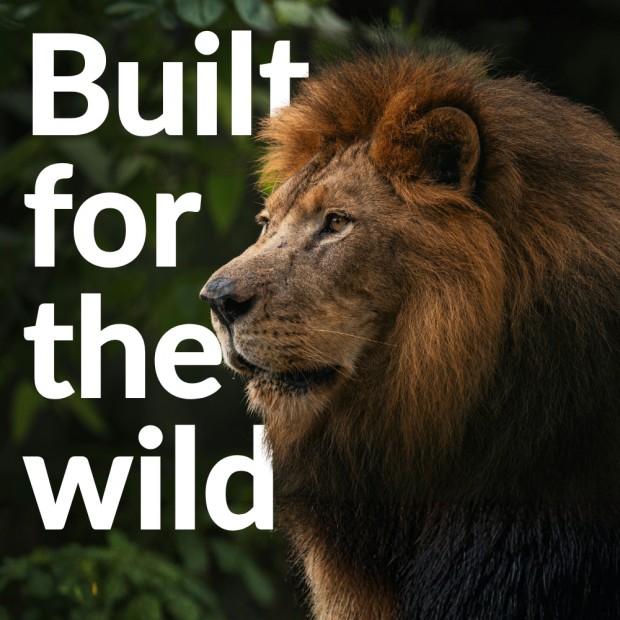
If you already shoot wildlife photography, you’re closer to filmmaking than you might think. The same instincts matter: waiting for the moment, reading behaviour, understanding light, and knowing when to stay still. The difference is that filmmaking lets you stretch those moments out and tell a fuller story.

Filming with purpose
When choosing a camera for wildlife filmmaking, there’s far more to consider than with a standard photography setup. Wildlife video demands reliability, adaptability, and performance in unpredictable conditions — and the better your research, the better your results in the field.
We’ve put together three cameras we highly recommend for nature and wildlife video work. These aren’t beginner cameras, and honestly, for this kind of work, you probably don’t want beginner gear. Here’s why.
Filming wildlife means dealing with constantly changing environments. You need a camera that can handle harsh weather, extreme lighting conditions, low-light scenes, and fast-moving subjects that often need to be slowed down and tracked in post-production.
The cameras used by productions like National Geographic are built to handle all of those challenges at once.
Take this example: you’ve always wanted to film marmots high in the Alps. Reaching them means hiking at altitude, so camera weight matters. The weather can shift instantly from sunshine to rain or snow, making weather sealing essential. Then, once you finally spot your subject, sunlight reflects harshly off the terrain, creating difficult exposure conditions. A camera with strong dynamic range and the ability to shoot in LOG gives you the flexibility to recover highlights and balance footage in post.
And when those marmots suddenly sprint for cover — possibly your only chance to capture the shot — high frame rates become critical. Shooting at 60fps, 120fps, or higher in high resolution allows you to slow footage down smoothly and crop in without sacrificing quality.
The cameras and lenses we’ve selected below are chosen with all of these real-world challenges in mind, helping you spend less time researching gear and more time capturing the wild.

The camera matters
For filmmakers stepping into the wild, the best camera is usually one that balances image quality, reliability, and portability.
The Sony FX3 is a strong choice for filmmakers who want a compact body with excellent low-light performance, 4K 120fps slow motion, fast autofocus, and a cooling system built for long recording sessions. It is especially useful for dawn, dusk, forests, and safari-style conditions where light changes quickly.

The Nikon Z8 is ideal for Nikon users who want a powerful hybrid body. Its 45.7MP stacked sensor, 8K recording, 4K 120fps, and subject detection autofocus make it excellent for both stills and video. It suits filmmakers who want one camera that can do everything without feeling like a compromise.

The Canon EOS R5 Mark II is another excellent option, especially for users who value colour, autofocus, and strong all-round performance. Its 8K video, 4K 120fps, and Canon’s subject tracking make it a serious tool for wildlife and adventure work.

The lens does the real work
If the camera is the brain, the lens is the eye.
For wildlife filmmaking, reach matters. You need to stay far enough away that animals behave naturally, while still making the viewer feel close to the action. That is where telephoto zooms become essential.
For Sony users, the FE 200-600mm is the standout wildlife lens. It offers huge reach, internal zoom, strong stabilisation, and reliable autofocus for birds, safari scenes, and distant subjects.
The 100-400mm GM is a lighter, more flexible option for travel, handheld work, and environmental wildlife shots.
For Nikon users, the NIKKOR Z 180-600mm is the obvious wildlife workhorse. It gives you long reach, stabilisation, and a practical balance of performance and value.
The Z 100-400mm S is better if you want a more versatile lens for both stills and cinematic video.
For Canon users, the RF 100-500mm L is one of the best all-round wildlife lenses available, with excellent sharpness, autofocus, and portability. If you need more reach, the RF 200-800mm opens up a different kind of shooting, especially for birds and distant behaviour.

Support gear is not optional!!!
A good wildlife setup is not just camera and lens. Once you start filming properly, support gear becomes part of the story.
A fluid video head makes a huge difference. It gives your pans and tilts a smooth, controlled feel that a ball head simply cannot match. That matters when you are tracking movement in the landscape or following an animal without making the shot feel shaky.
A solid tripod is just as important. In wildlife work, you may spend hours waiting for a few seconds of action, so stability matters more than convenience. A tripod that holds steady in wind, uneven ground, and long-lens shooting conditions is worth every penny.
This is a great place to start: Sirui SH-15 Tripod with Video Head
Power and monitoring
If you are filming for long sessions, small accessories quickly become essential.
An external monitor helps you check focus, exposure, and framing far more clearly than a rear screen. That becomes especially useful in hides or when shooting in difficult light.
Here is our recommendation: Atomos Ninja TX GO 5-inch monitor-recorder
A V-mount battery system is a smart upgrade for longer sessions. It keeps your camera, monitor, and accessories running without constantly swapping tiny batteries. That is the kind of thing that makes real field work easier and less stressful.
This is our go to : Smallrig 4292 V-Mount Battery Mini VB99 Pro
The real lesson
The biggest mistake people make is thinking wildlife filmmaking is about owning a cinema rig. It is not.
It is about carrying the right kit, understanding the light, staying patient, and letting nature happen on its own terms. The best gear helps you stay out of the way, work more steadily, and capture moments that feel honest.
That is what makes a wildlife film feel alive.

Starting your kit
If you are building your first wildlife filmmaking setup, keep it simple:
- A strong hybrid camera body.
- A telephoto zoom with enough reach.
- A fluid head and tripod you can trust.
- Good batteries and enough storage.
- An external monitor to get critical focus.
Start there, and you will have a kit that can grow with you.
Final thought
Built for the wild means more than being tough enough to survive the field. It means being ready when the field finally gives you something worth filming.
That is the real heart of wildlife filmmaking: patience, purpose, and the right tools to tell the story well.
-
Posted by Charlie
8th May 2026