


Featured Products

 Grid
Grid List
List
 In Stock

In Stock
Low Stock - order now or contact us to reserve
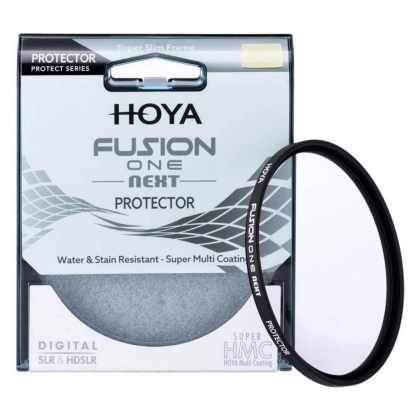
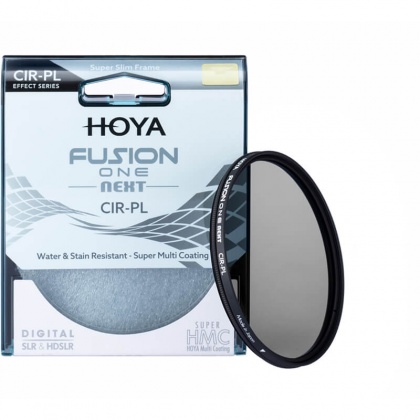
Low Stock - order now or contact us to reserve
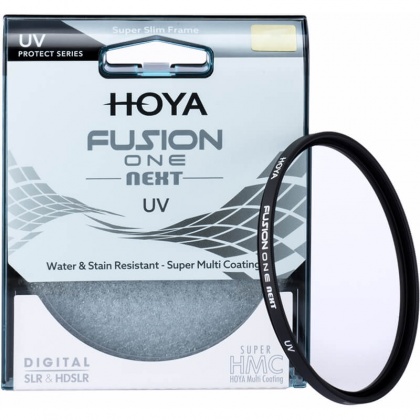
Low Stock - order now or contact us to reserve
Low Stock - order now or contact us to reserve
Low Stock - order now or contact us to reserve
Low Stock - order now or contact us to reserve
Good Stock
Good Stock
In Stock
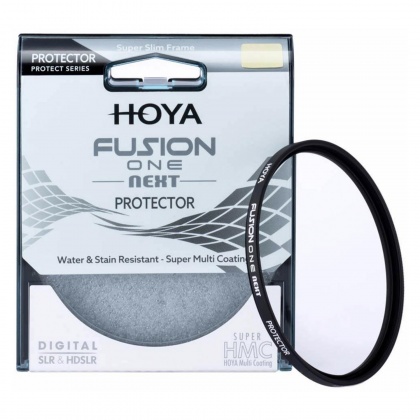
In Stock
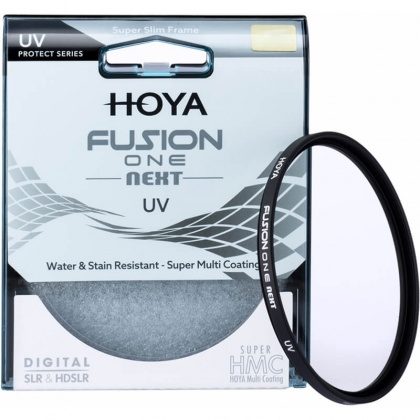
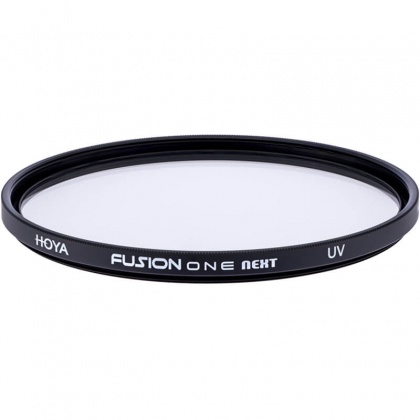
Low Stock - order now or contact us to reserve
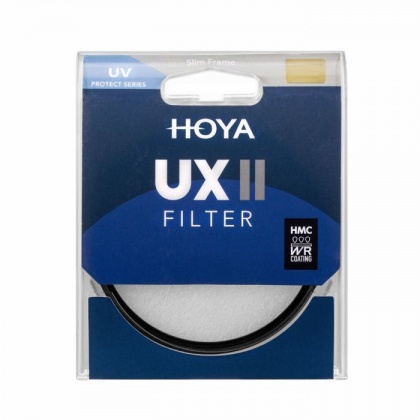
In Stock
Low Stock - order now or contact us to reserve
In Stock
Good Stock
Low Stock - order now or contact us to reserve
Low Stock - order now or contact us to reserve
Good Stock
Good Stock
Good Stock
Good Stock
Good Stock
Good Stock
In Stock
Low Stock - order now or contact us to reserve
In Stock
Low Stock - order now or contact us to reserve
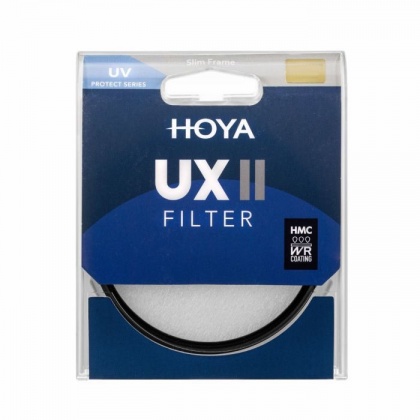
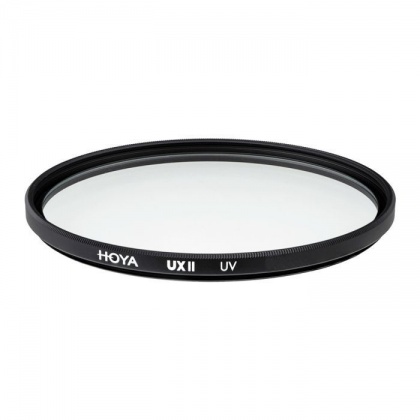
Good Stock
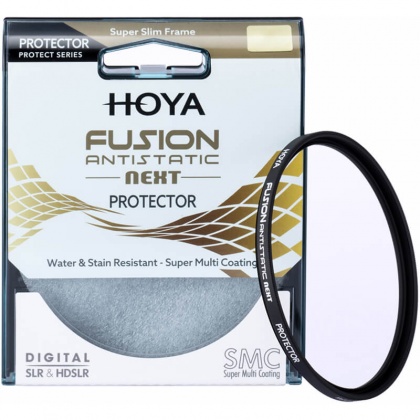
Good Stock
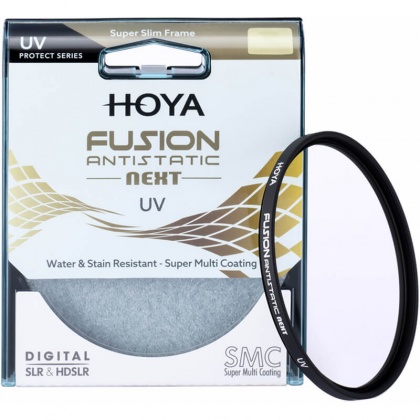
In Stock
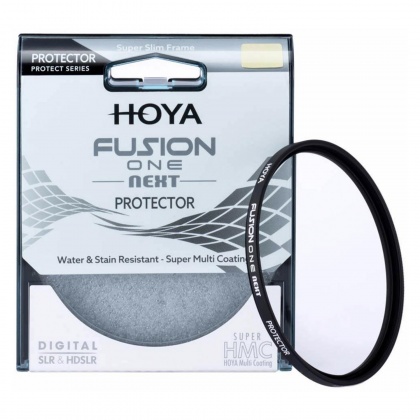
In Stock
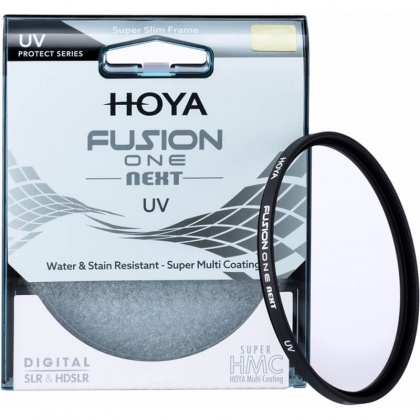
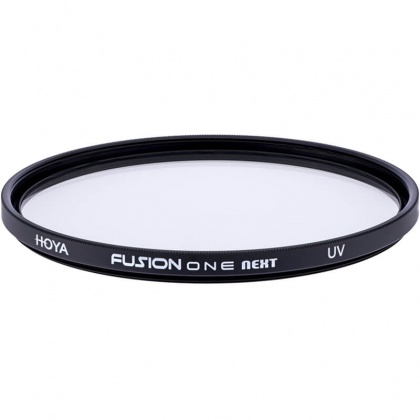
Good Stock
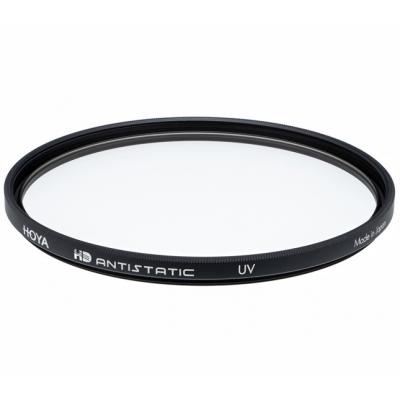
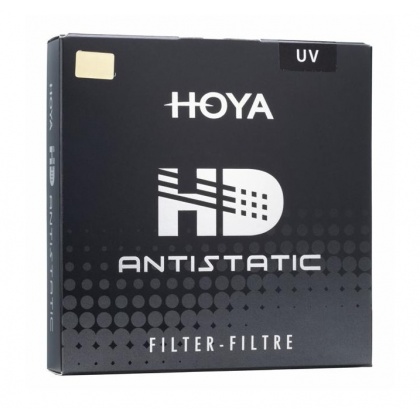
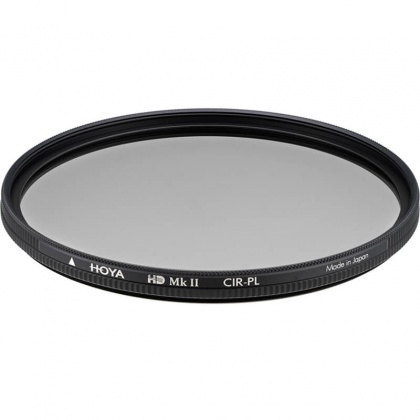
Low Stock - order now or contact us to reserve
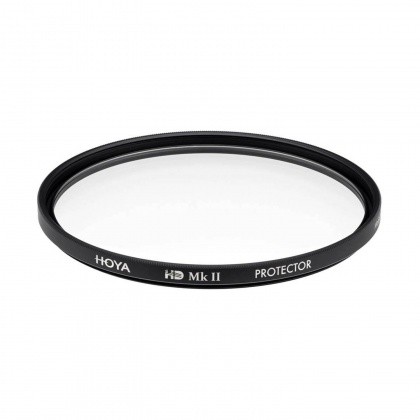
Good Stock
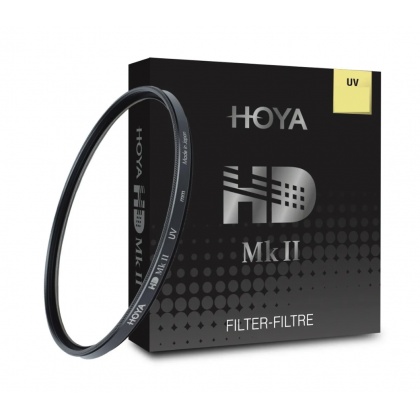
While stocks last - One only
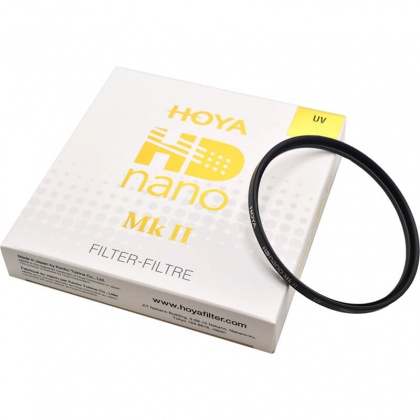
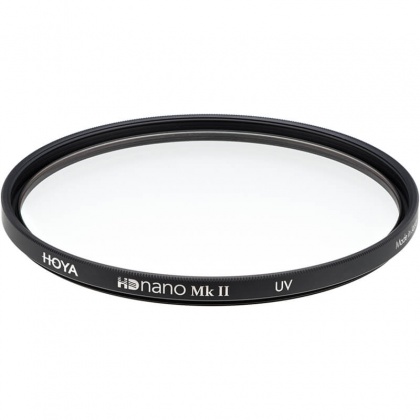
Low Stock - order now or contact us to reserve
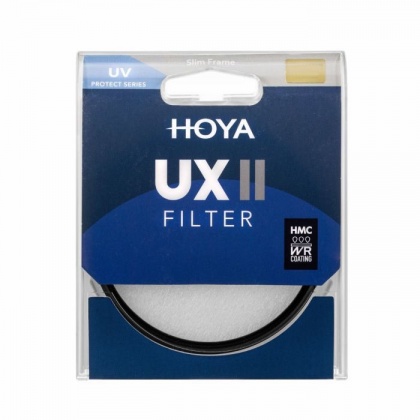
Good Stock
Should I use a UV filter to protect my lens?
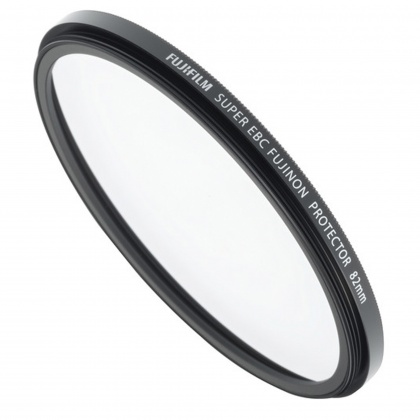
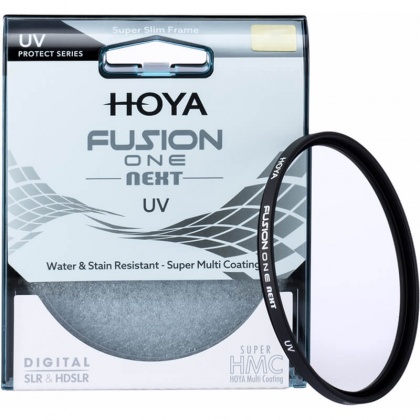
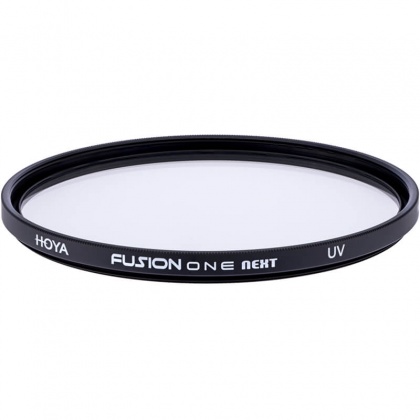
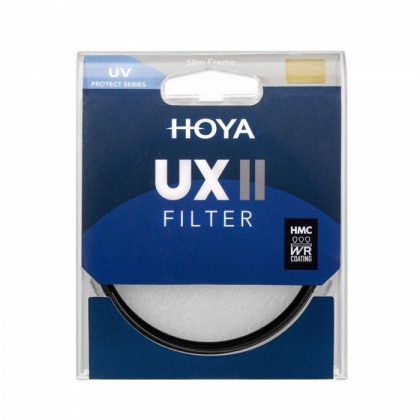
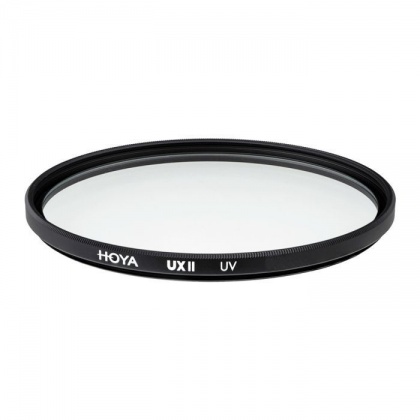
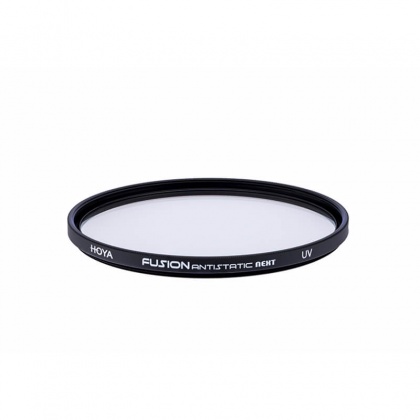
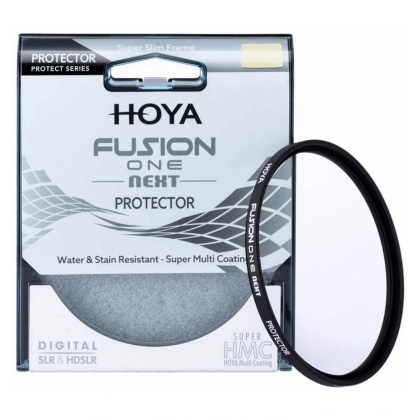
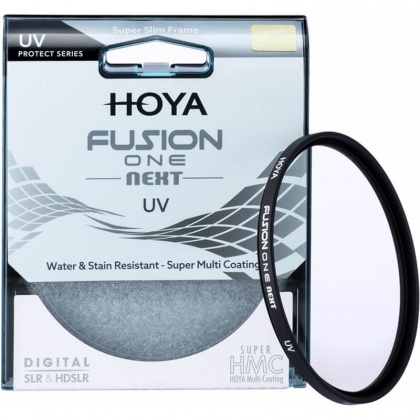
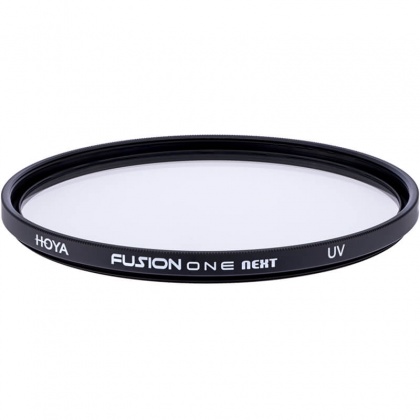
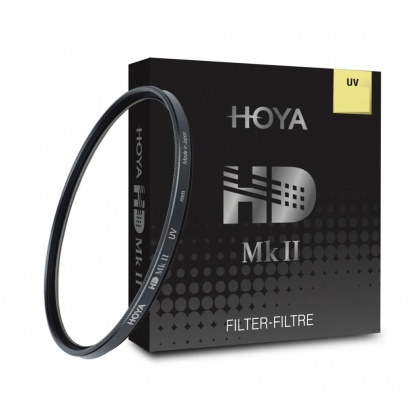
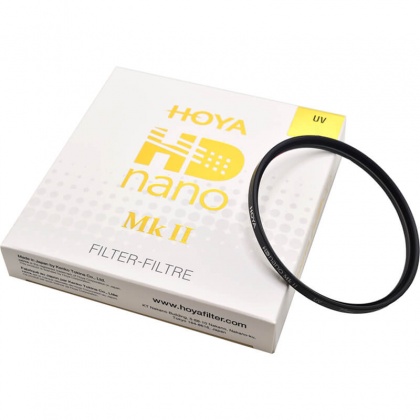
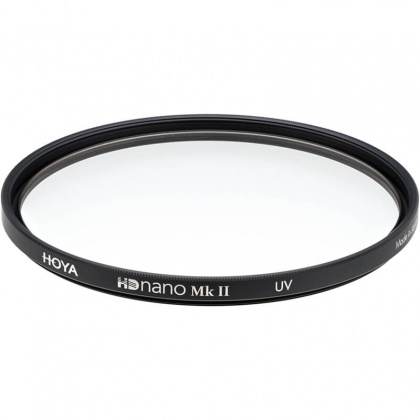
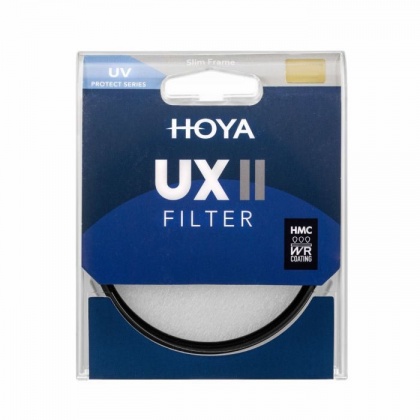
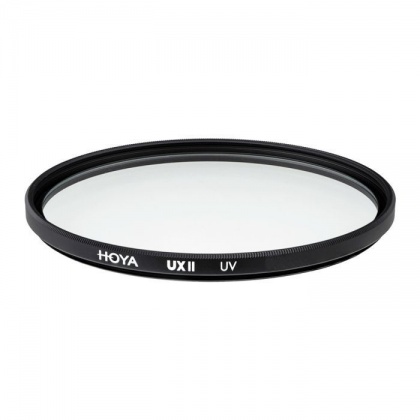
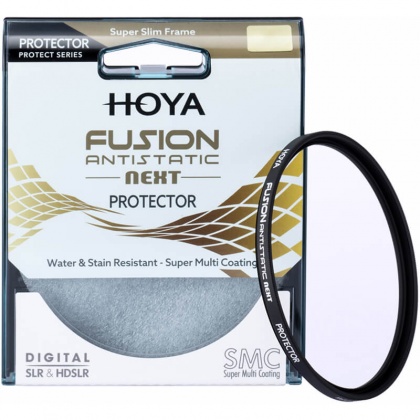
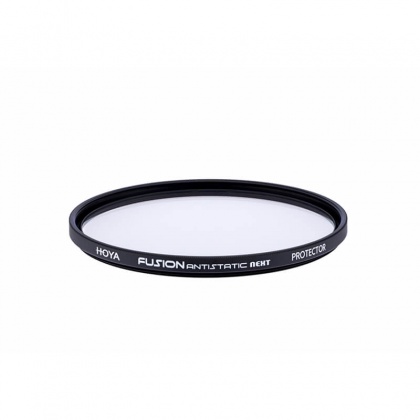
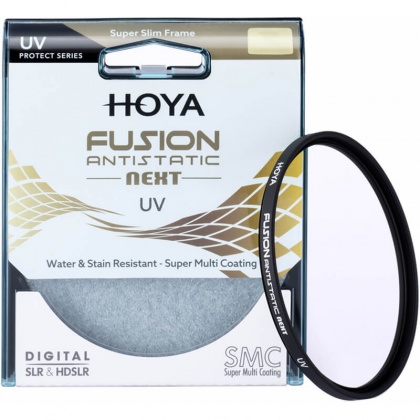
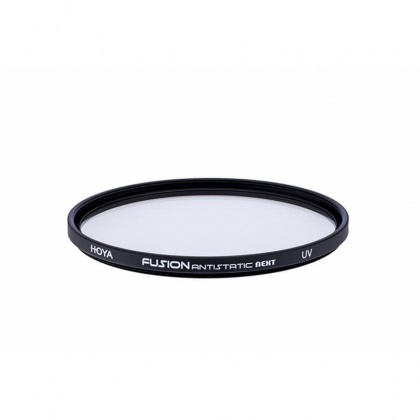
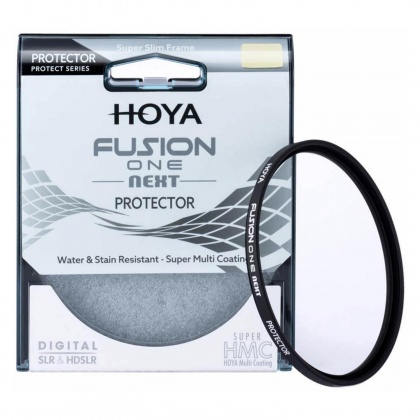
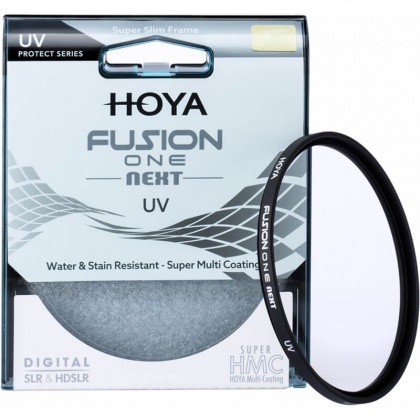
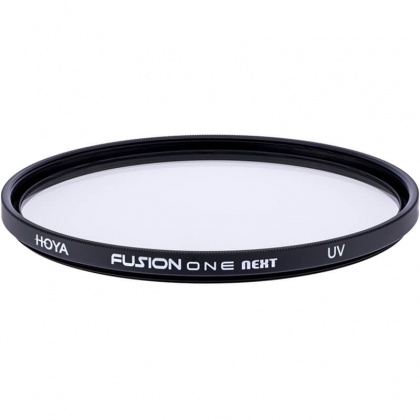
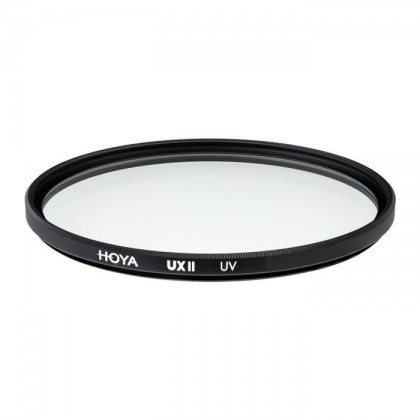
A UV or protection filter is one of the best things you can do for any lens you care about. Camera lenses are expensive, and the front element is surprisingly vulnerable. Dust, grit, moisture, accidental knocks and greasy fingerprints are the everyday hazards that come with shooting in the real world. A UV filter sits over the front element and acts as a first line of defence, taking the damage so your lens doesn't have to. If the filter gets scratched or cracked, it costs a fraction of what a professional lens repair or element replacement would. The filter stays on the lens and can simply be replaced if it becomes damaged.
What does a UV protection filter do?
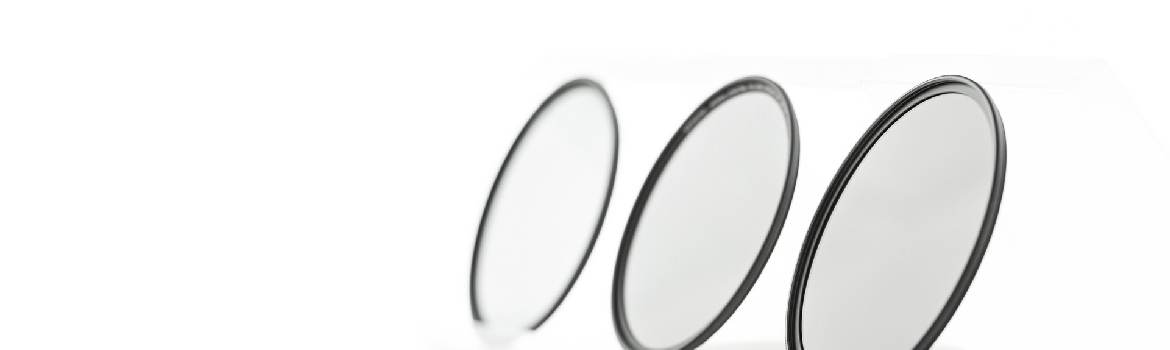
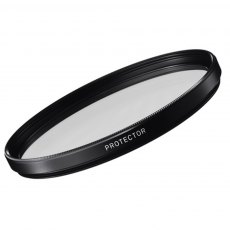
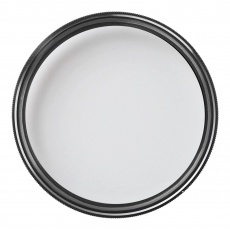
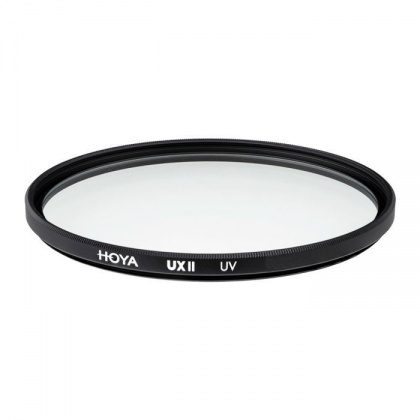
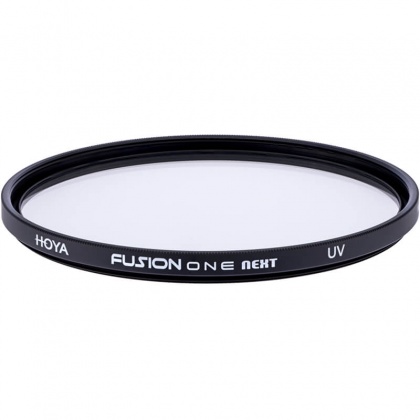
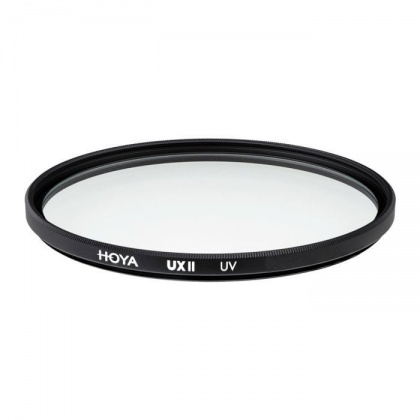
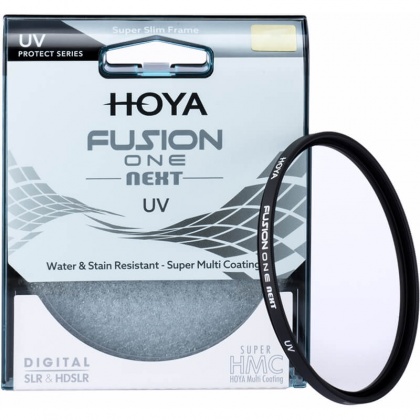
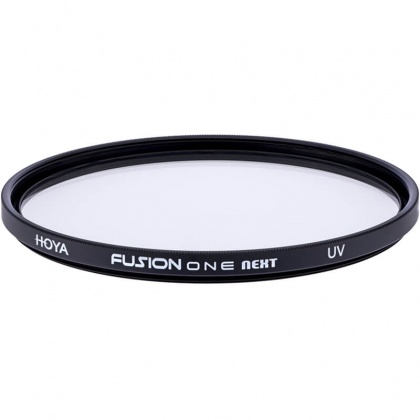
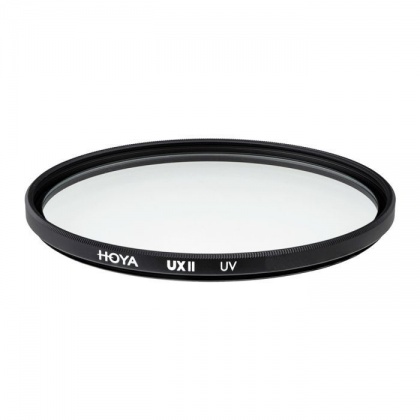
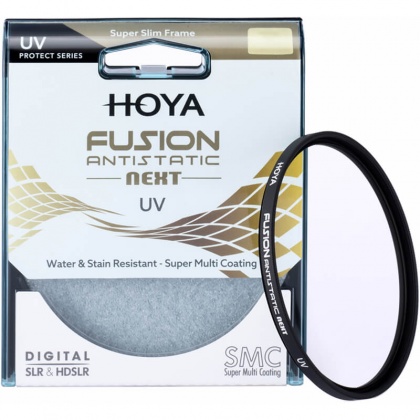
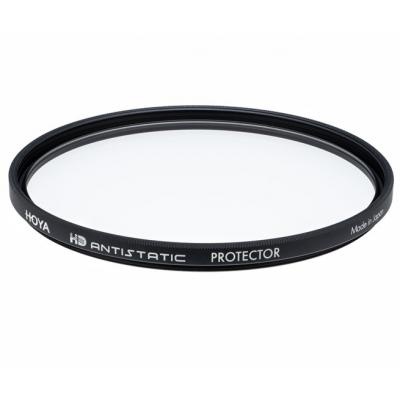
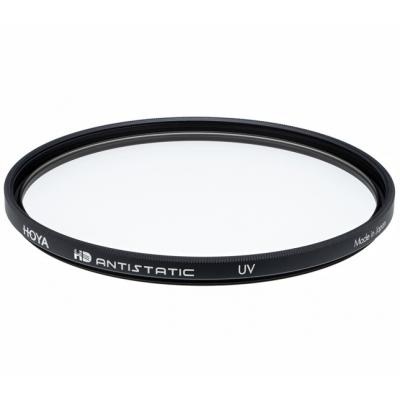
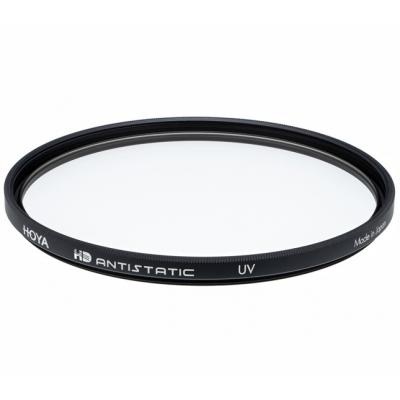
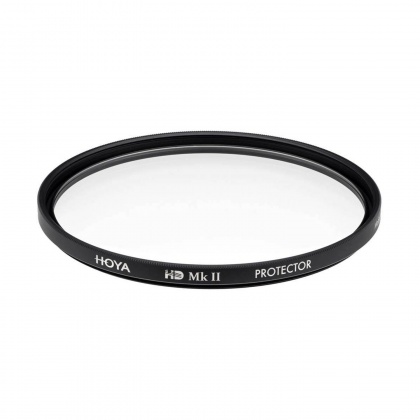
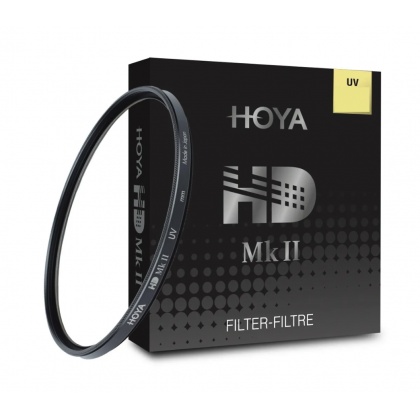
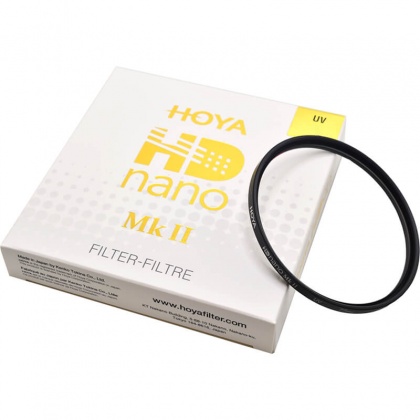
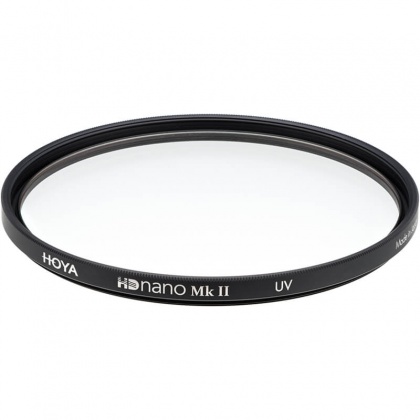
A UV protection filter does two jobs at once. First, it blocks ultraviolet light, which can cause a slight haze or loss of sharpness in outdoor images; particularly in bright conditions, at altitude, or over long distances. Second, it acts as a permanent physical barrier for your front lens element, protecting it from scratches, dust, rain, and smudges during everyday shooting.
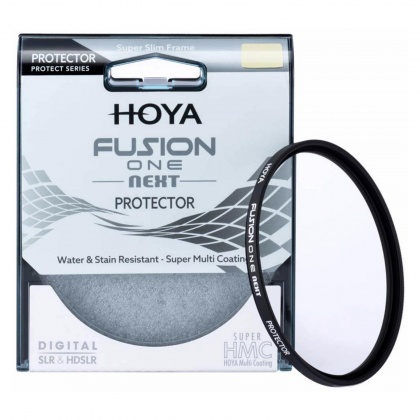
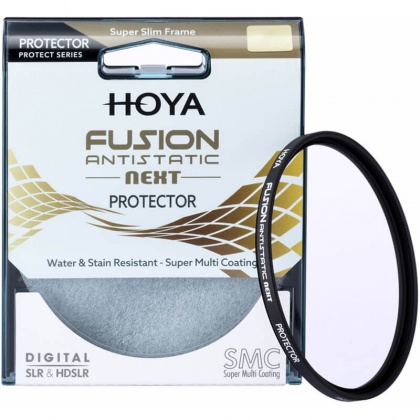
The best quality UV filters, such as those from Hoya and Kenko, use multi-layer coatings that are water-repellent and oil-resistant, meaning that fingerprints and moisture wipe away cleanly and quickly. Many also feature slim or ultra-slim frames to avoid vignetting, which is especially useful if you're shooting with wide-angle or ultra-wide-angle lenses. Some premium UV filters incorporate up to 18 layers of optical coating to ensure that the filter itself has minimal impact on the light passing through it, keeping image quality as high as possible. Filters are available in a range of thread sizes to fit virtually any lens, so it's straightforward to find the right fit for your kit. A quality protection filter is a small outlay that can save a much bigger repair bill further down the line.