


Featured Products


 Grid
 List


 In Stock
In Stock
Low Stock - order now or contact us to reserve
Low Stock - order now or contact us to reserve
Low Stock - order now or contact us to reserve
Low Stock - order now or contact us to reserve
Low Stock - order now or contact us to reserve
Low Stock - order now or contact us to reserve
Low Stock - order now or contact us to reserve
Low Stock - order now or contact us to reserve
Low Stock - order now or contact us to reserve
Low Stock - order now or contact us to reserve
Low Stock - order now or contact us to reserve
Low Stock - order now or contact us to reserve
Low Stock - order now or contact us to reserve
Low Stock - order now or contact us to reserve
Low Stock - order now or contact us to reserve
Low Stock - order now or contact us to reserve
In Stock
In Stock
Low Stock - order now or contact us to reserve
Good Stock
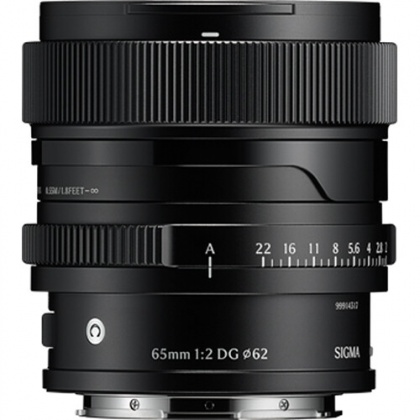
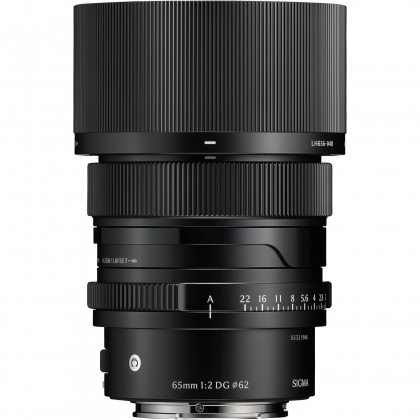
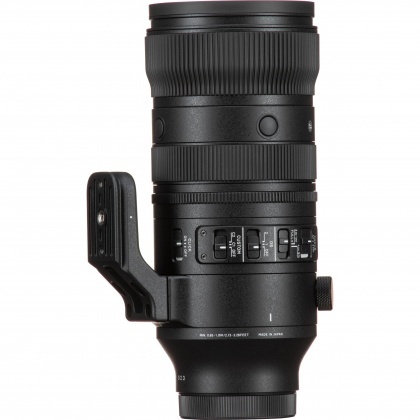
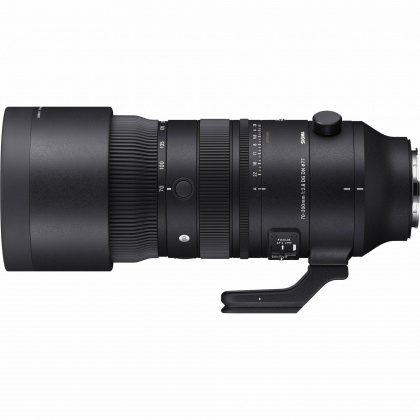
Low Stock - order now or contact us to reserve
Low Stock - order now or contact us to reserve
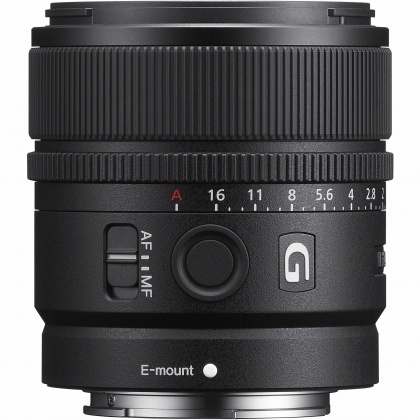
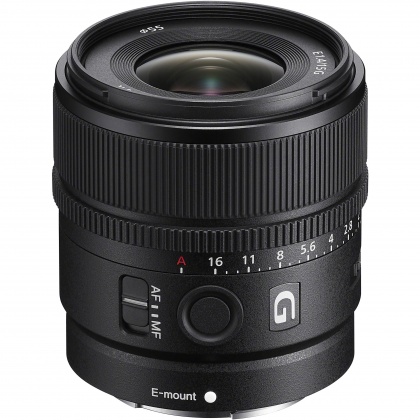
Low Stock - order now or contact us to reserve
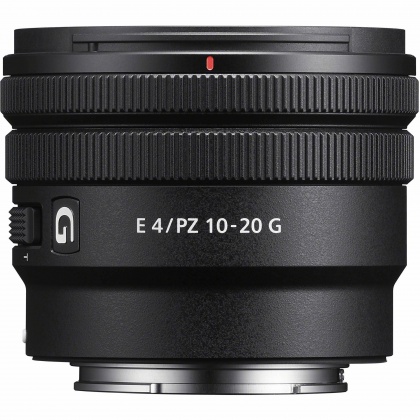
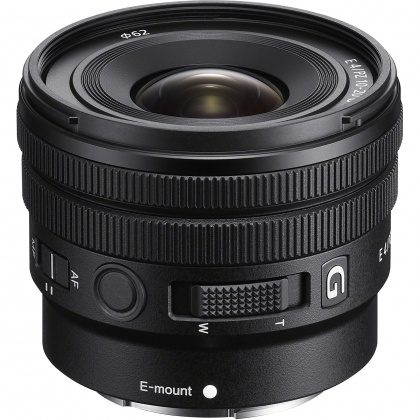
Low Stock - order now or contact us to reserve
Low Stock - order now or contact us to reserve
In Stock
Good Stock
In Stock
Discover Sony E Mount Lenses at Castle Cameras
Browse our full range of Sony E mount lenses online or visit our Bournemouth and Salisbury stores. Bring your camera with you and you can try a lens on it before you buy. If you’re torn between two options, such as an FE zoom or a pair of primes, our staff will talk you through the trade-offs so you can make the call that suits your shooting.
Are Sony E Mount lenses full frame?
Not all of them. The Sony E mount covers both full frame and APS-C lenses, and both types share exactly the same physical mount. The difference is the size of sensor each lens is designed to cover.
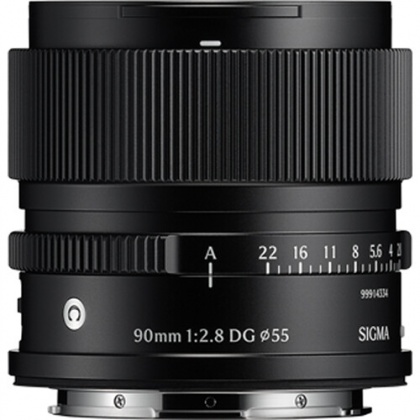
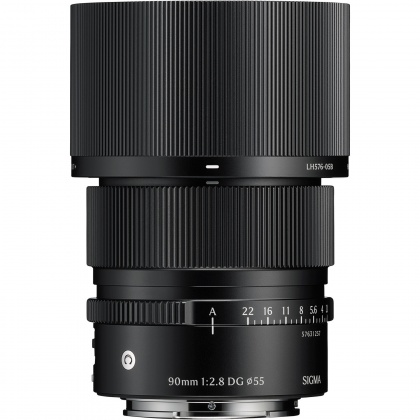
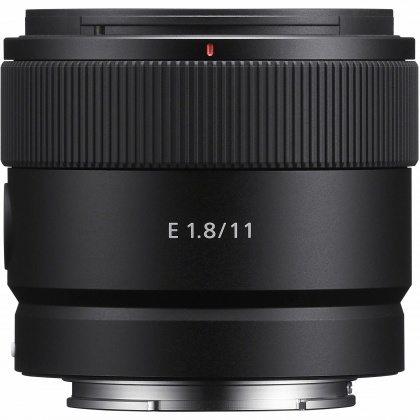
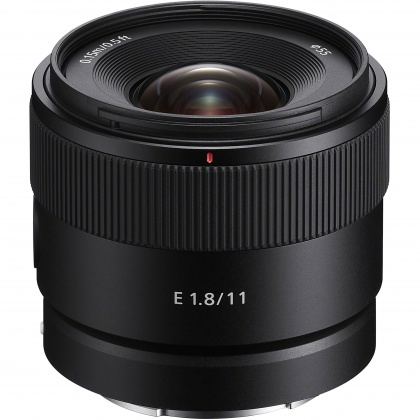
Sony’s full frame lenses carry the FE label, while third-party makers use their own codes, such as Sigma’s DG DN for full frame and DC DN for APS-C. Full frame lenses project a large enough image to cover the sensor in Sony full frame cameras, which is where you’ll get the most detail, the best low light performance and the shallowest depth of field. Sony lenses labelled just E are made for APS-C cameras. Because APS-C lenses only need to cover a smaller sensor, they’re often lighter, more compact and more affordable, which makes them a good match for smaller Sony bodies.
If you’re starting out with an APS-C camera but think you might move to full frame one day, it’s worth considering FE lenses now, as they’ll come with you when you upgrade. You can use the ‘sensor fit’ filter on this page (Full or Crop) to see only full frame or only APS-C lenses, which makes it much easier to find the right fit for your camera.
Can I use E Mount lenses on Sony a7?
Yes. Every Sony E mount lens will physically fit a Sony a7 camera, along with every other camera in the Sony Alpha range that uses the E mount.
How the lens behaves depends on what it was designed for. FE lenses use the whole of the a7’s full frame sensor, so you’ll get every pixel the camera has to offer. APS-C lenses also work, but the camera automatically switches to a cropped mode and only uses the centre of the sensor. Your pictures will still look good, but they’ll have fewer pixels, and you’ll see a tighter view through the viewfinder.
That can be handy now and then, especially if you’ve moved up from an APS-C body and already own a few lenses you like. When it comes to Sony E mount lens compatibility, every lens will work, but for the best results on an a7, we recommend FE lenses. If you have lenses from another system – even older film camera lenses – a mount adaptor can often bring them back into use on your a7 too. Select ‘Adapter/converter’ in the lens type filter on this page to see what’s available.
Is Sony E and FE Mount the same?
Yes, physically they’re the same mount. FE isn’t a separate mount at all. It’s a label Sony uses for E mount lenses that cover a full frame sensor, while lenses labelled just E are designed for APS-C. Every E and FE lens clicks onto every Sony E mount camera in exactly the same way.
The practical difference comes down to sensor size. FE lenses work on both full frame and APS-C Sony cameras. On an APS-C body you’ll get a tighter field of view, roughly 1.5 times the focal length, so a 50mm lens frames more like a 75mm. That can be useful for portraits and wildlife, where a little extra reach goes a long way. E lenses designed for APS-C work perfectly on APS-C bodies, and on full frame bodies they’ll trigger the cropped mode mentioned above.
Choosing between them is mostly about your camera and your plans. A full frame shooter will usually want FE lenses. An APS-C shooter can enjoy the lighter, more affordable E lenses, or choose FE lenses with a future upgrade in mind.
Are there any third-party E Mount lenses available?
There are a number of options that have the compatibility with a Sony camera and fulfil the same purpose as a Sony E Mount lens. At Castle Cameras, you can find a range of choices from trusted and reputed manufacturers, such as Sigma, Tamron, Samyang and ZEISS. It means that you have more options to choose from to build the most optimal camera setup for your budget.