


Featured Products

 Grid
Grid List
List
 Low Stock - order now or contact us to reserve
In Stock
Low Stock - order now or contact us to reserve
Low Stock - order now or contact us to reserve
 No stock. Availability uncertain. Please contact us to place a special order.
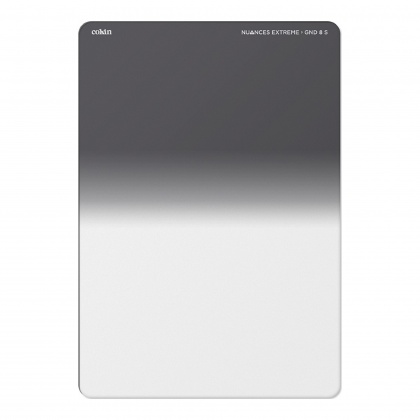
Low Stock - order now or contact us to reserve
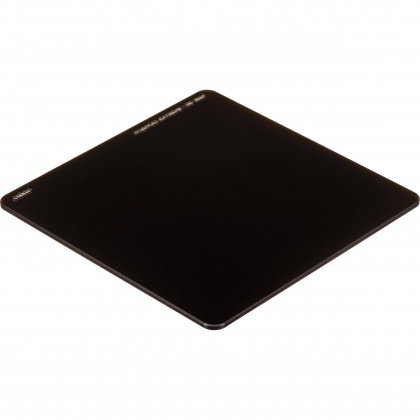
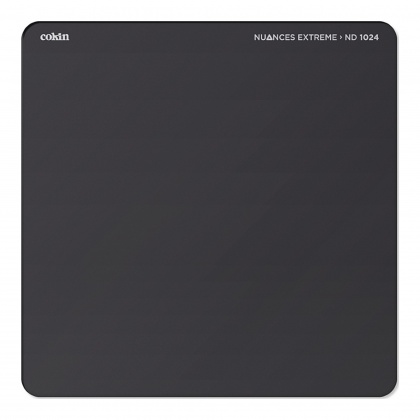
Low Stock - order now or contact us to reserve
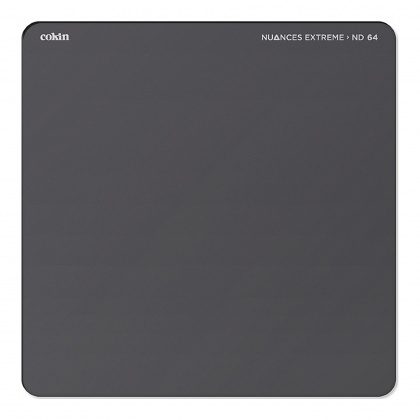
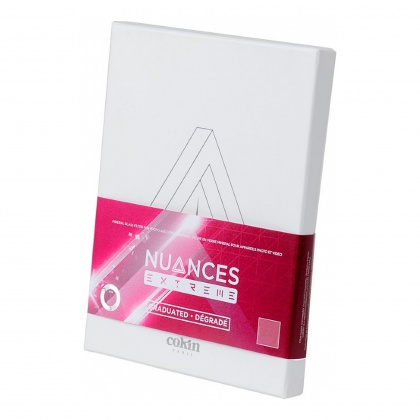
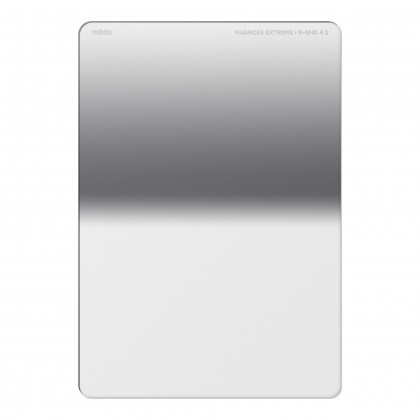

No stock. Availability uncertain. Please contact us to place a special order.
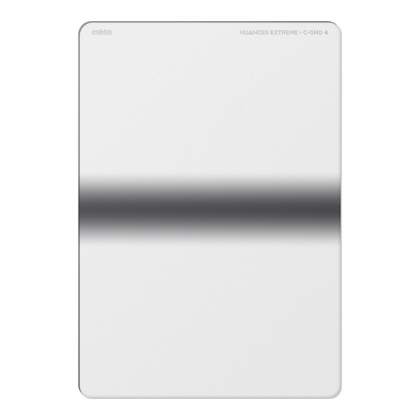
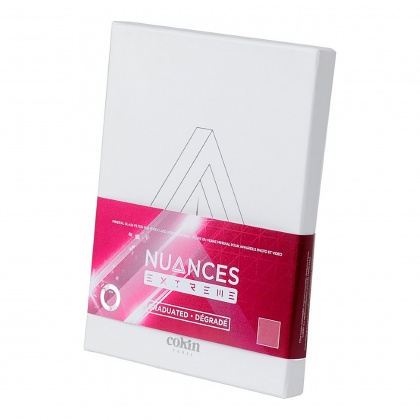
No stock. Availability uncertain. Please contact us to place a special order.
No stock. Availability uncertain. Please contact us to place a special order.
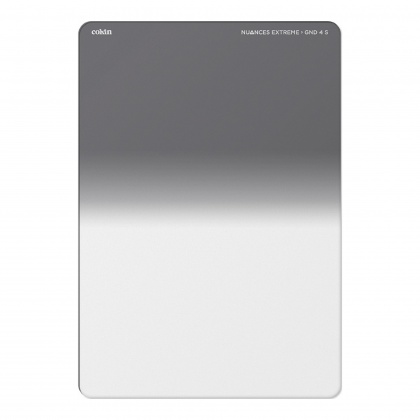
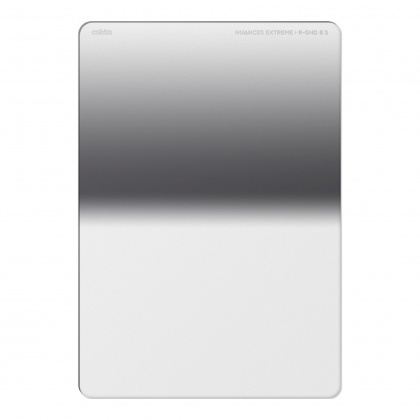
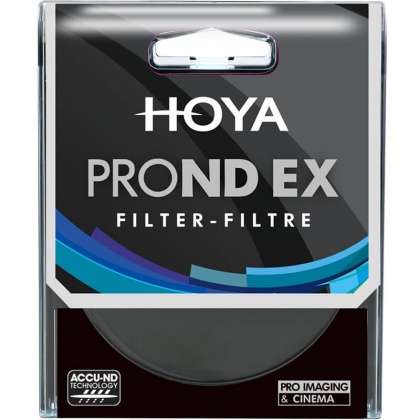
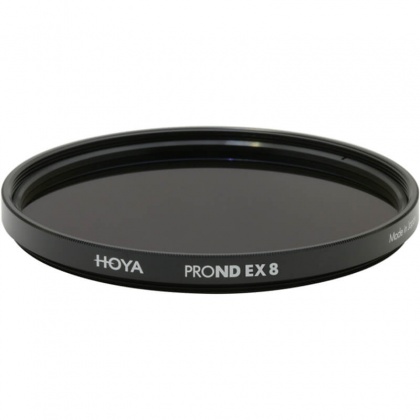
Low Stock - order now or contact us to reserve
Low Stock - order now or contact us to reserve
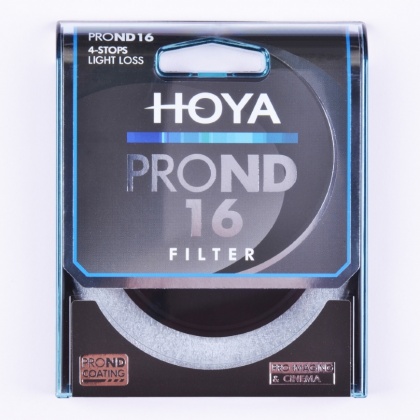
While stocks last - Two Only
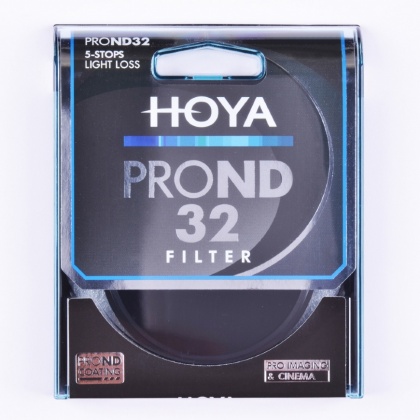
No longer available. Please contact us for a possible alternative
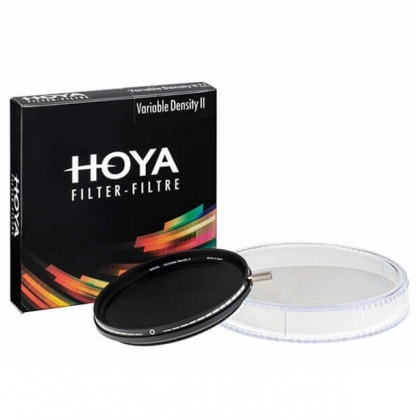
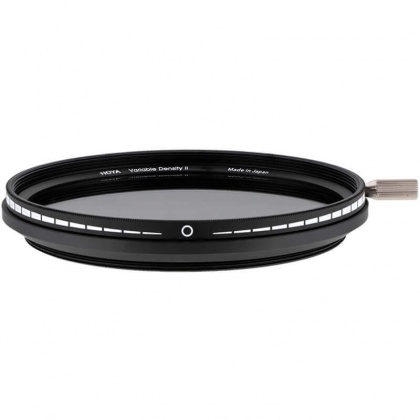
Low Stock - order now or contact us to reserve
Low Stock - order now or contact us to reserve
Available while stocks last
Low Stock - order now or contact us to reserve
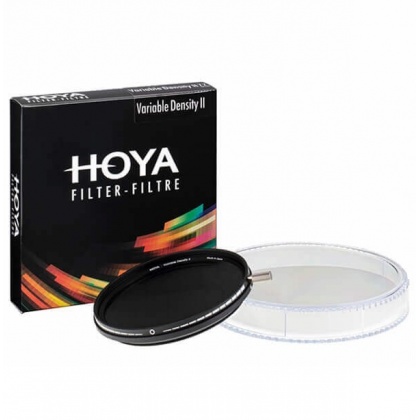
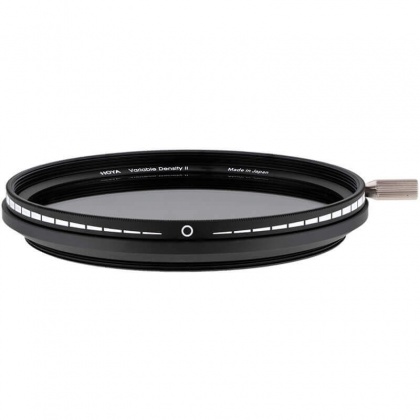
Low Stock - order now or contact us to reserve
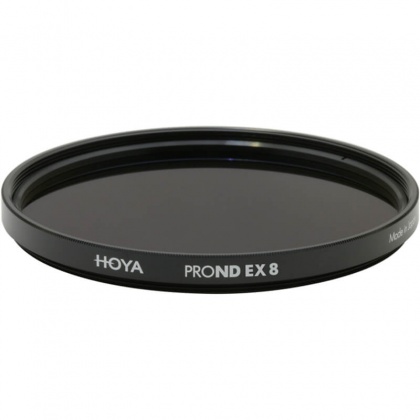
Low Stock - order now or contact us to reserve
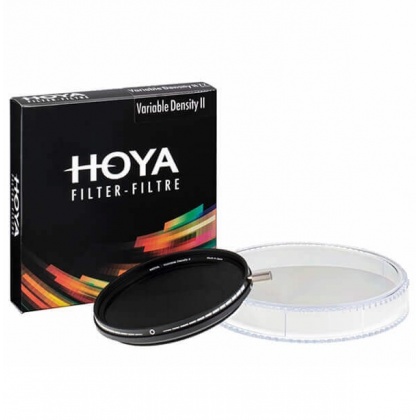
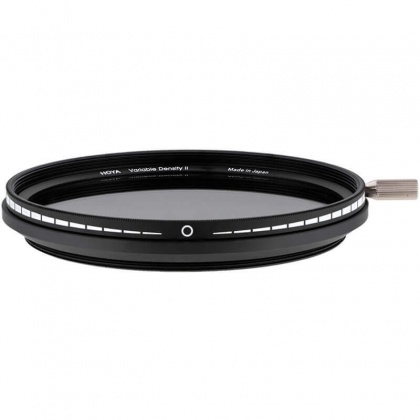
Low Stock - order now or contact us to reserve
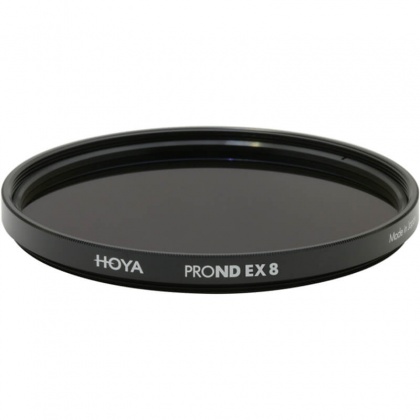
Low Stock - order now or contact us to reserve
Low Stock - order now or contact us to reserve
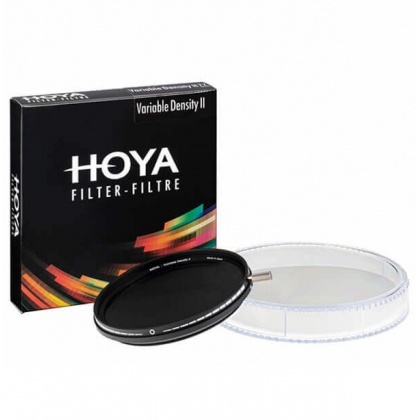
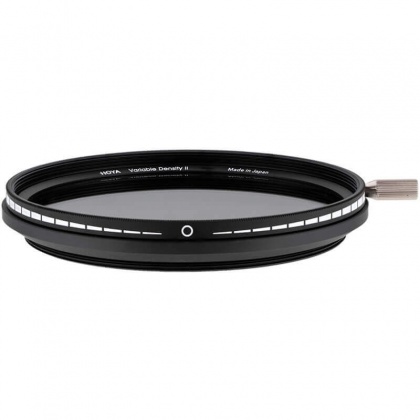
In Stock
Low Stock - order now or contact us to reserve
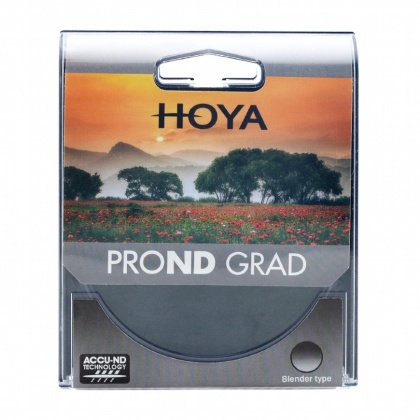
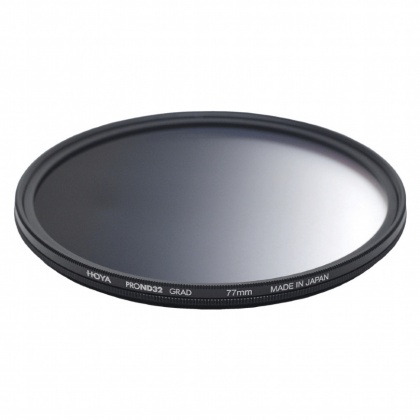
Low Stock - order now or contact us to reserve
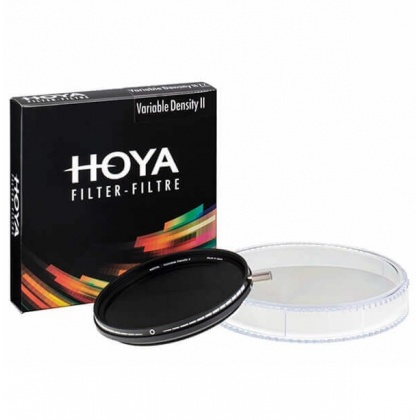
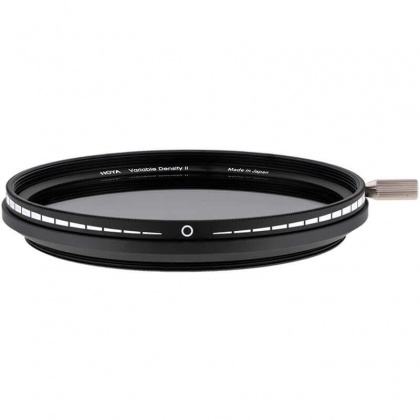
In Stock
Low Stock - order now or contact us to reserve
Low Stock - order now or contact us to reserve
Low Stock - order now or contact us to reserve
Low Stock - order now or contact us to reserve
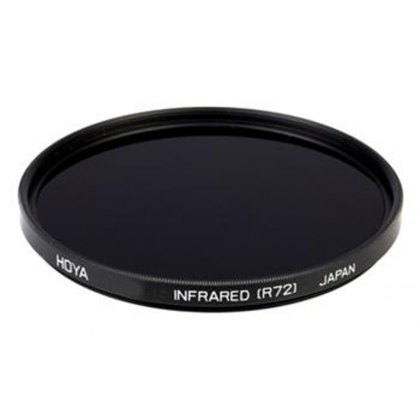
Low Stock - order now or contact us to reserve
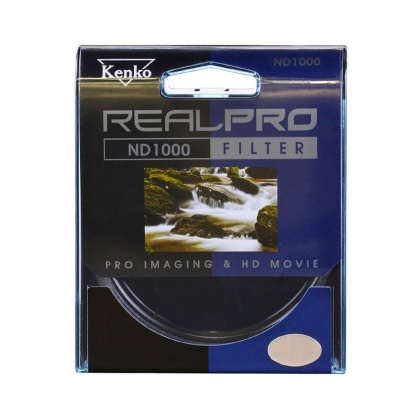
In Stock
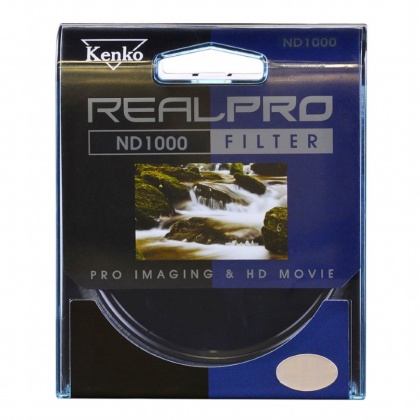
Good Stock
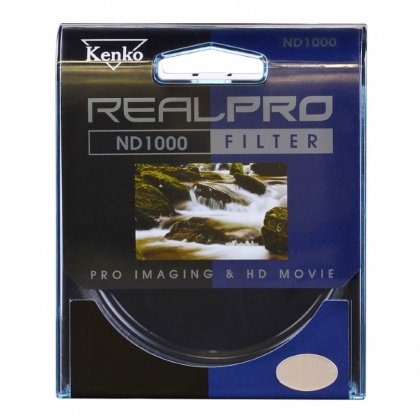
In Stock
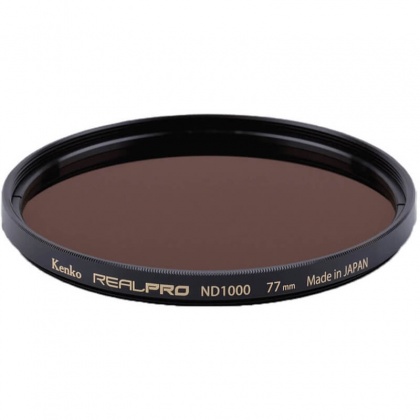
No stock on site. Please allow up to twenty days for delivery
What does a neutral density filter do?
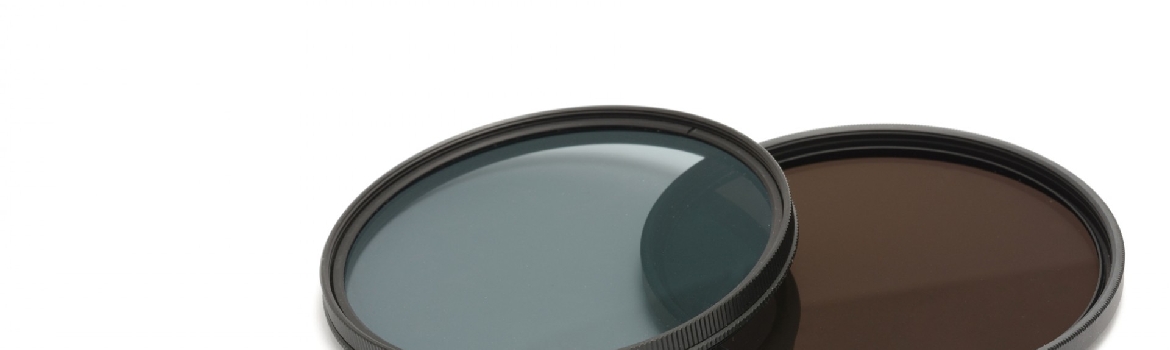
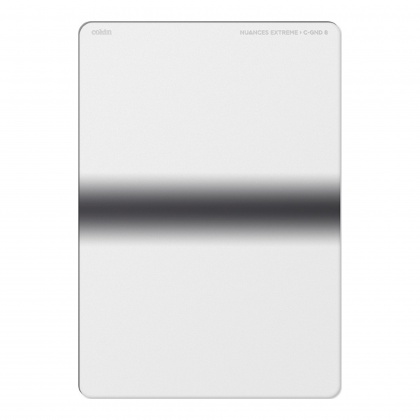
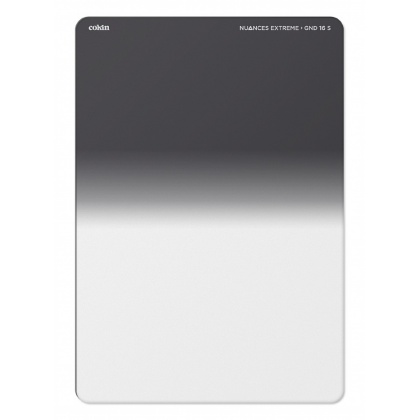
A neutral density filter, often shortened to ND filter, reduces the amount of light entering your lens without affecting the colour or quality of the image. Think of it as sunglasses for your camera. By cutting down the light, the filter allows you to use a wider aperture or a longer shutter speed than would otherwise be possible in bright conditions. This opens up a range of creative and practical possibilities. Slow shutter speeds let you create the silky, blurred effect on moving water that you'll have seen in landscape photography, or capture motion blur in a busy street scene. Wider apertures in bright light mean you can maintain a shallow depth of field, keeping your subject sharp against a beautifully blurred background even on a sunny day.
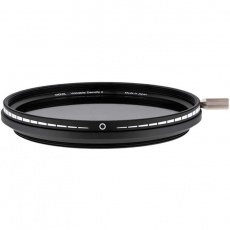
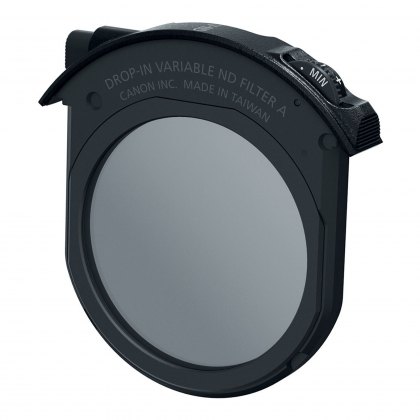
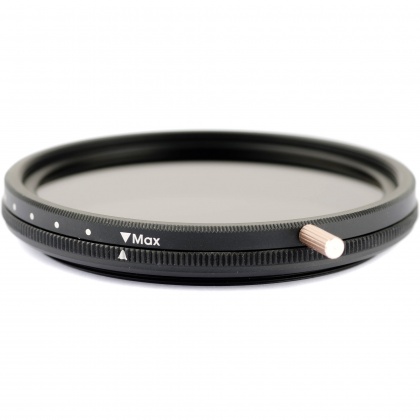
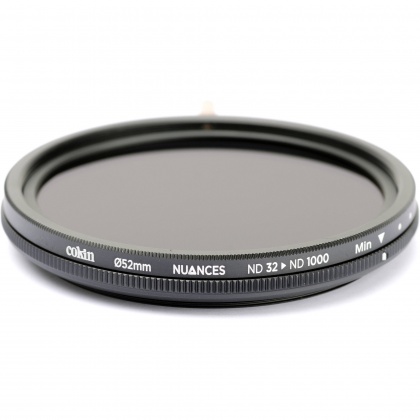
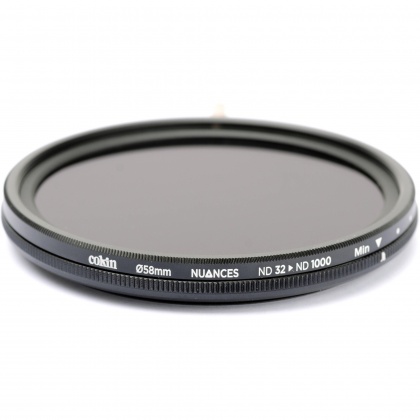
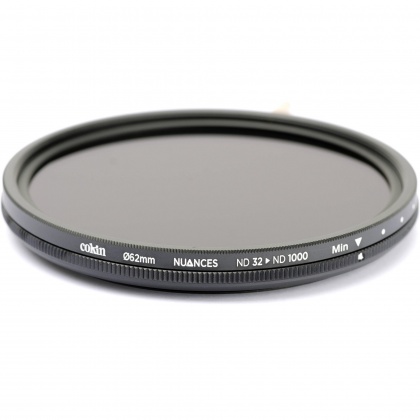
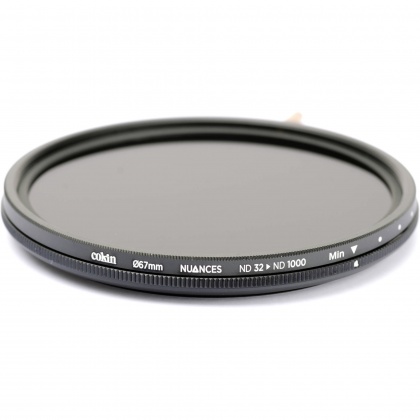
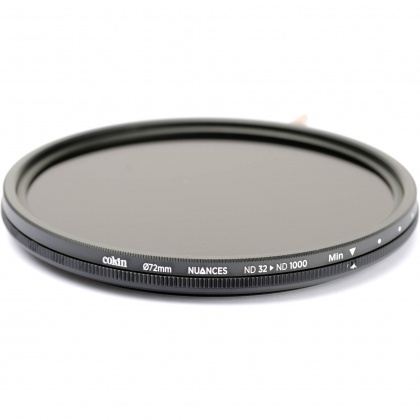
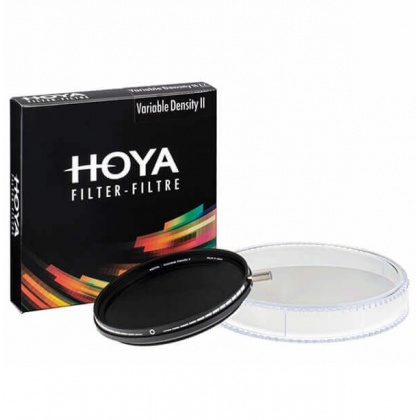
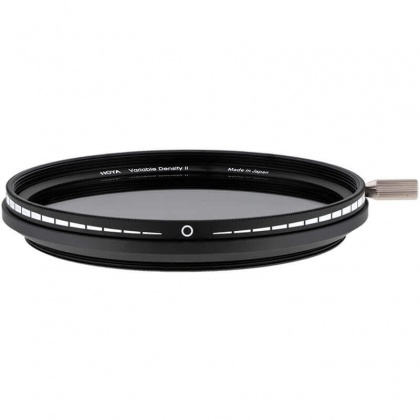
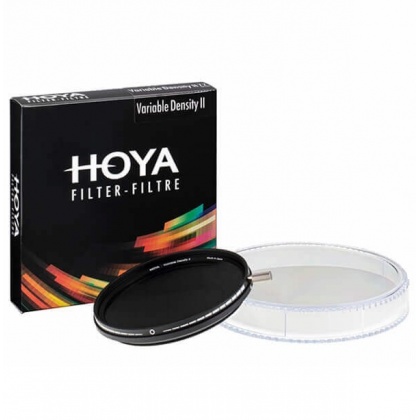
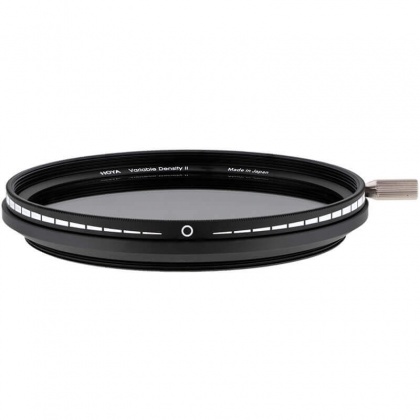
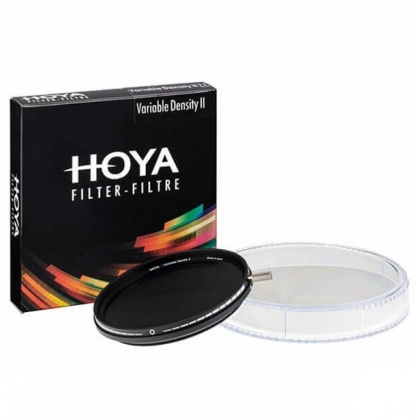
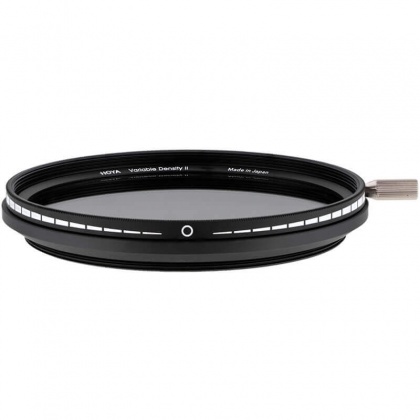
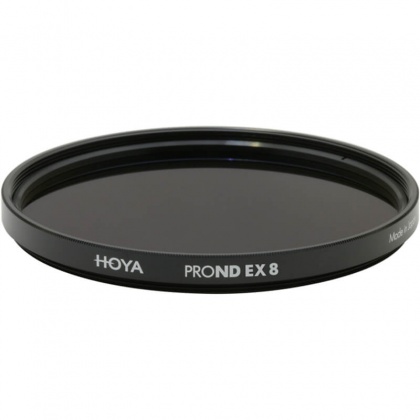
ND filters are measured in stops, so a three-stop ND filter reduces the light by three stops, a six-stop filter by six stops, and so on. Variable ND filters allow you to adjust the strength of the effect by rotating the outer ring, covering a range of stops in a single filter. Fixed strength ND filters can also be stacked if you need even more light reduction, and some are designed specifically to stack with minimal image degradation. ND filters are also widely used by videographers and filmmakers, where maintaining a cinematic shutter speed (typically twice the frame rate) in bright conditions would otherwise result in overexposure.
Are neutral density filters necessary?
It depends on what you're shooting and the look you want to achieve, but for landscape and travel photographers, a neutral density filter quickly becomes one of the most-used pieces of kit in the bag. If you shoot seascapes, waterfalls, rivers, or any kind of moving water, an ND filter is pretty much essential for achieving the long-exposure look that defines so much contemporary landscape photography. For portrait photographers, a variable ND filter is particularly useful as it gives you the flexibility to shoot at wide apertures in bright conditions without adjusting your lighting setup. Video shooters often consider an ND filter a necessity rather than an optional extra, since maintaining the correct shutter speed for cinematic-looking footage in daylight would otherwise be impossible without one.
If you're unsure which strength to go for, a good starting point is a six-stop or ten-stop fixed filter, or a variable ND that covers a range of stops, as these give you a lot of creative flexibility across a variety of shooting situations. The Cokin Creative Filter System is also worth a look if you want to use one set of filters across multiple lenses without needing to buy a separate screw-in filter for each thread size. We stock ND filters from a number of well-regarded brands and are happy to advise on the right choice for your camera and the kind of photography you do.